
How to Evaluate a Coconut Water Contract Manufacturer: An Evidence Checklist
Evaluate a coconut water co-packer using actual facility and product evidence, traceability, food safety controls, samples, commercial terms and documented risk-based decisions.

Choosing a coconut water contract manufacturer is not simply a question of which factory has the most equipment or the lowest quoted price. The better question is whether a potential partner can demonstrate that its site, processes and records are suitable for your actual product and target market. That takes verification, not a catalogue of impressive claims.
This is a practical supplier due-diligence guide for beverage buyers, not a claim that VINUT TRUST owns a coconut-water factory or provides the services described. If your product requirements are still undecided, begin with the separate private-label coconut water pre-quote checklist. This article starts at the next stage: comparing suppliers against a defined brief.
What is a coconut water contract manufacturer?
A contract manufacturer, sometimes called a co-packer, makes or packs a food product for another business under an agreed arrangement. Its responsibilities can include ingredients, processing, filling, quality records and packaging, but the scope must be defined in a contract rather than assumed.
The U.S. FDA's guidance on co-manufacturer supplier approval explains the distinction between brand owners and co-manufacturers. Supply-chain responsibilities may depend on which entity specifies and approves ingredients and which hazards require supplier-applied controls. The guidance does not mean every brand owner automatically owns, operates or certifies the manufacturing site.

Before evaluating proposals, ask every candidate for its legal manufacturing entity, the actual production site address and the services included in the offer. A trading company and a factory are not the same entity, even when they work together.
1. Verify the actual facility and product scope
Ask for the facility name, site address and evidence relevant to the exact processing line. A general photograph or an equipment brochure does not establish where your coconut water would be filled.
Request an outline of the proposed process and packaging combination, such as the candidate's validated filling and thermal or other preservation approach. The purpose is not to insist that one technology is universally superior. It is to understand how this particular formulation will be handled and supported with data.
A useful document set might include a process flow, product specification, relevant testing plan, packaging specification and explanation of how product changes are approved. The scope, age and authenticity of each document matter.
2. Examine sourcing and traceability
For coconut water, ask whether the facility starts with fresh coconut water, an intermediate ingredient or concentrate, and how the chosen material connects to the proposed final product. If a supplier promotes a specific geographical origin, request lot-level evidence rather than assuming every batch comes from that location.
The Netherlands Centre for the Promotion of Imports (CBI) market-entry guide, updated in August 2025, discusses coconut-water composition, raw-material variability, traceability, food safety and buyer expectations for Europe. It is valuable industry context, not a certification of a particular factory.
Ask how receiving checks, ingredient specifications, rejected materials and deviations are recorded. Traceability should let the relevant parties connect a finished batch with its materials and production records when an issue arises.
3. Check food safety and certification evidence
A certificate's name alone is not enough. Check the issuing organisation, certificate number, covered legal entity, site address, activities, product scope and validity dates. Ask what has changed since the certificate was issued, and whether production of your intended drink falls within its scope.
Food safety schemes such as BRCGS, FSSC 22000 or IFS are often requested by buyers. CBI explains that these certifications can matter commercially in Europe but are not a single, universal statutory requirement for all coconut water. Organic, Halal and other claims require separate verification where relevant. Do not interpret an FDA food-facility registration as FDA approval of the finished beverage.
For U.S. imports, the FDA's Foreign Supplier Verification Programs overview describes applicable risk-based importer obligations and exceptions. Who is the importer, which food is imported and what verification activities are appropriate all matter. A supplier's certificate does not, by itself, fulfil every importer's obligations.
4. Look for evidence of process control and repeatability
An attractive first sample is a starting point, not a finished supplier audit. Ask what parameters the producer monitors for the proposed product and how it handles results that fall outside approved specifications.
Relevant records may include ingredient acceptance, processing controls, microbiological testing where appropriate, packaging integrity, batch identification, non-conformance handling and complaint or recall procedures. The specific control plan should be determined for the actual product and applicable food-safety system, not copied as an arbitrary number of checkpoints from a generic blog.
FDA's FSVP key requirements explain that verification can involve a combination of audits, sampling, testing or reviews of relevant records, depending on hazards and supplier performance. A documented risk-based decision is more meaningful than a self-declared claim of “world-class QC”.

5. Compare candidates with a consistent scorecard
After reviewing their documents, compare the same evidence for every candidate. Do not invent rankings such as “premium”, “mid-tier” and “low-cost” based only on price.
Due-diligence area | Evidence to request | Reason to hold a decision |
|---|---|---|
Legal entity and site | Registered manufacturer, site and production-line scope | Company or site cannot be confirmed |
Ingredient traceability | Specifications and example lot records | Claimed origin is unsupported |
Safety system | Relevant current certificate and process controls | Certificate does not cover the site or product |
Batch consistency | Test plan, sample records and deviation handling | No credible way to explain variation |
Regulatory readiness | Market-specific label and importer responsibilities | Generic “global compliance” promise |
Commercial delivery | Documented MOQ, lead time, pack and logistics terms | Unexplained exclusions or unrealistic guarantees |
Corrective action | Complaints, traceability and recall procedures | No response plan if a batch fails |
These are qualitative decision criteria, not legally prescribed scores or a substitute for an appropriately scoped professional audit. A buyer may mark each area verified, needs clarification or hold, with a link to the evidence and a responsible reviewer.
6. Test the relationship, not just the initial sample
Ask candidates how they handle a revised label, formula adjustment, packaging shortage, failed sample or delayed launch. A reliable response should distinguish decisions that are already supported from changes that require additional testing, scheduling or approval.
MOQ and lead time are quotation-specific. A figure from another factory's website is not a universal industry standard. Compare the full commercial terms, including tool or printing setup, artwork approvals, testing, storage, shipment basis and costs excluded from the quotation.
Where risk warrants it, arrange a remote review, third-party verification or site visit. The extent of this work should follow the applicable obligations and the product's actual risk profile.
7. Decide whether to proceed, clarify or stop
A buyer may proceed to the next commercial stage when the evidence is coherent, the proposed product is feasible, responsibilities are clear and remaining questions are manageable. It may be sensible to pause when a certificate is expired, the real filling site is unclear or a claimed shelf life lacks appropriate support. The right next step may be additional documents, a pilot run or a qualified audit, not an immediate rejection based on one missing marketing brochure.
Before signing, write down who approves the formula, label and packaging, who maintains batch records, who responds to incidents, who manages importer obligations and who owns the product specifications. The FDA co-manufacturing guidance reinforces why allocation of responsibilities matters.
What this means for VINUT TRUST readers
This article describes general supplier-evaluation principles. It does not establish that VINUT TRUST is itself the contracting manufacturer, holds every listed certificate, operates the equipment discussed or guarantees an MOQ. For current VINUT TRUST products and the appropriate business contact, use the brand's contact page and request verified entity and product information.
The takeaway: Choose a coconut-water contract producer by documented capability and product-specific evidence. The strongest proposal is one you can check against the same criteria as competing offers, with clear roles, validated food-safety processes and realistic commercial assumptions.
QUESTIONS & ANSWERS
Frequently asked questions
How should a buyer evaluate a coconut water contract manufacturer?
Verify the legal manufacturing entity and site, ingredient traceability, relevant food safety controls and certification scope, product tests, packaging and commercial terms against a consistent written checklist.
Is every coconut water manufacturer required to hold BRCGS, FSSC 22000 and Halal certification?
No single list automatically applies to every product and market. Applicable laws, buyer requirements and optional schemes differ. Confirm the needed evidence, certificate validity and site/product scope.
What supplier records matter beyond a good coconut water sample?
Look for product and ingredient specifications, traceable lot records, relevant test results, process controls, complaint and corrective-action procedures, and evidence supporting the proposed shelf life.
Is there a standard MOQ or production lead time for coconut water co-packing?
No universal MOQ or lead time applies. Request documented terms based on the product, packaging, testing, printing, factory schedule and shipping responsibilities, and clarify excluded costs.
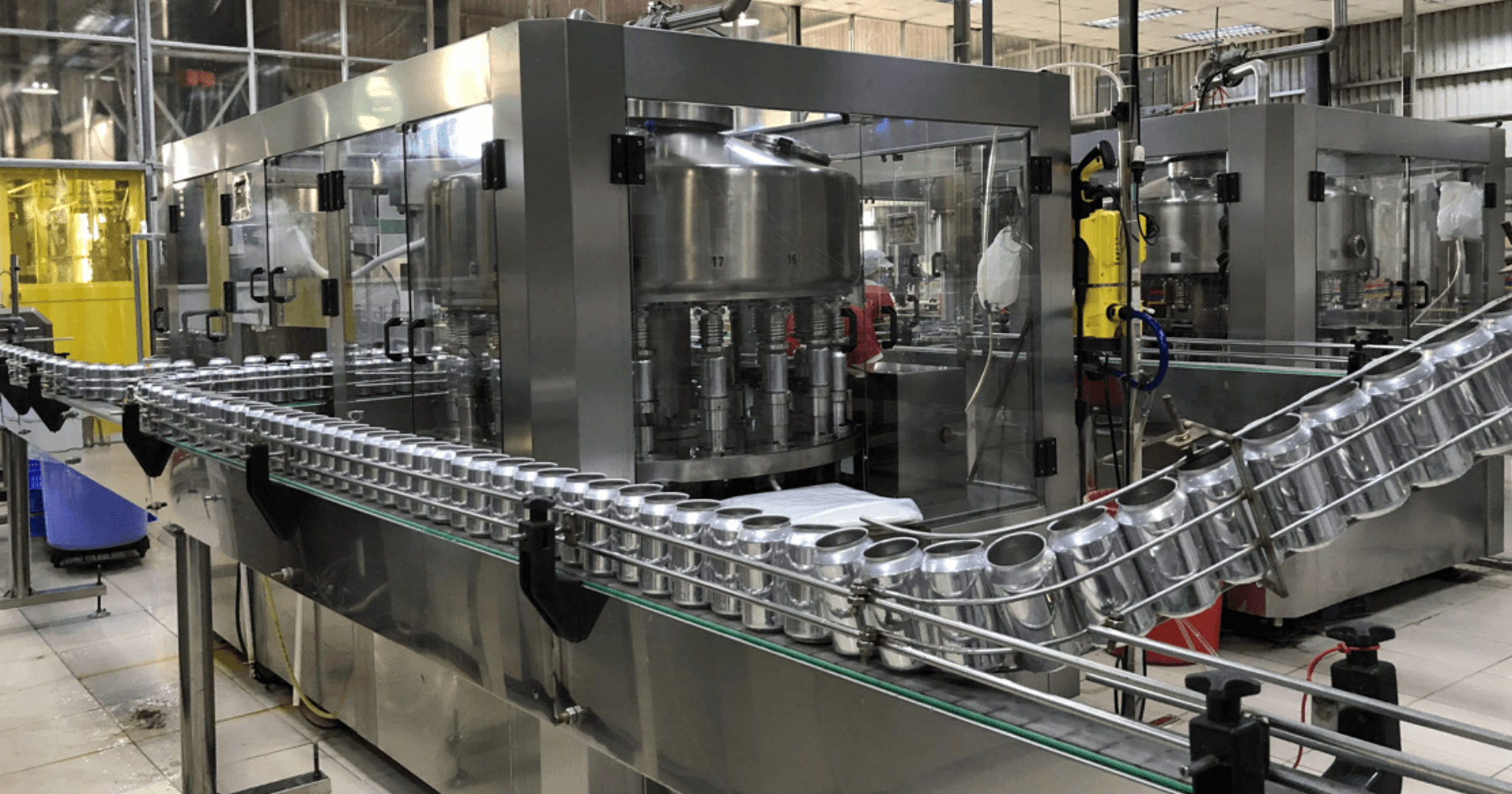
How to Evaluate a Fruit Juice Contract Manufacturer: A Buyer's Checklist
A practical fruit juice co-packer evaluation guide covering juice type, processing scope, food safety records, export labels, traceability and commercial evidence.
Read Story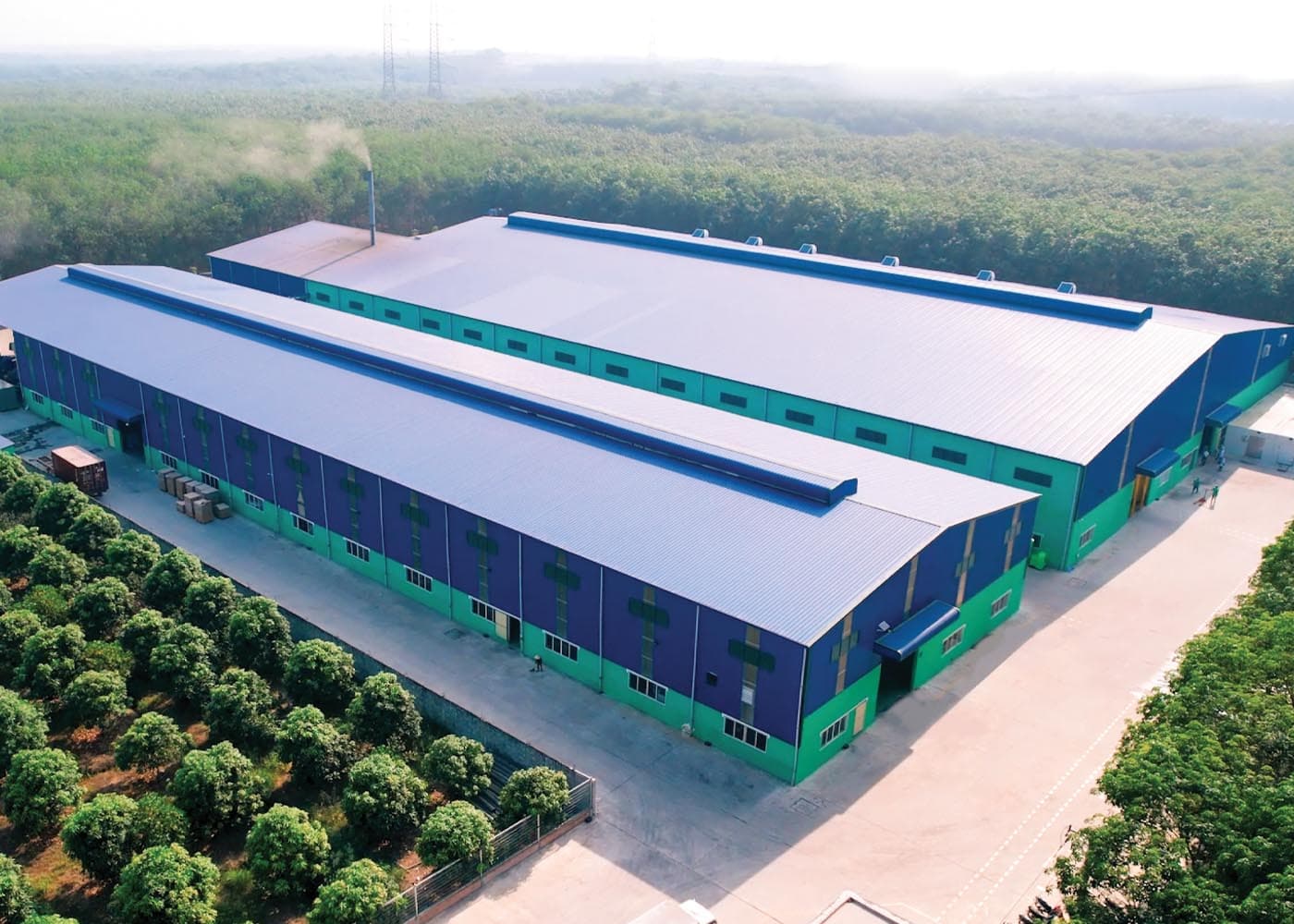
Coconut Water OEM Factory: A Practical Evidence and Follow-Up Checklist
A buyer-focused checklist for coconut water OEM projects: verify the actual producer, request comparable records and quotes, and document what happens after a factory visit.
Read Story
Coconut Water with Pulp: Five Simple Ways to Enjoy Its Texture
Discover the soft coconut pieces in pulp-style coconut water, five serving ideas and a practical guide to ingredients, sugars and safe storage.
Read Story