
Coconut Water OEM Factory: A Practical Evidence and Follow-Up Checklist
A buyer-focused checklist for coconut water OEM projects: verify the actual producer, request comparable records and quotes, and document what happens after a factory visit.
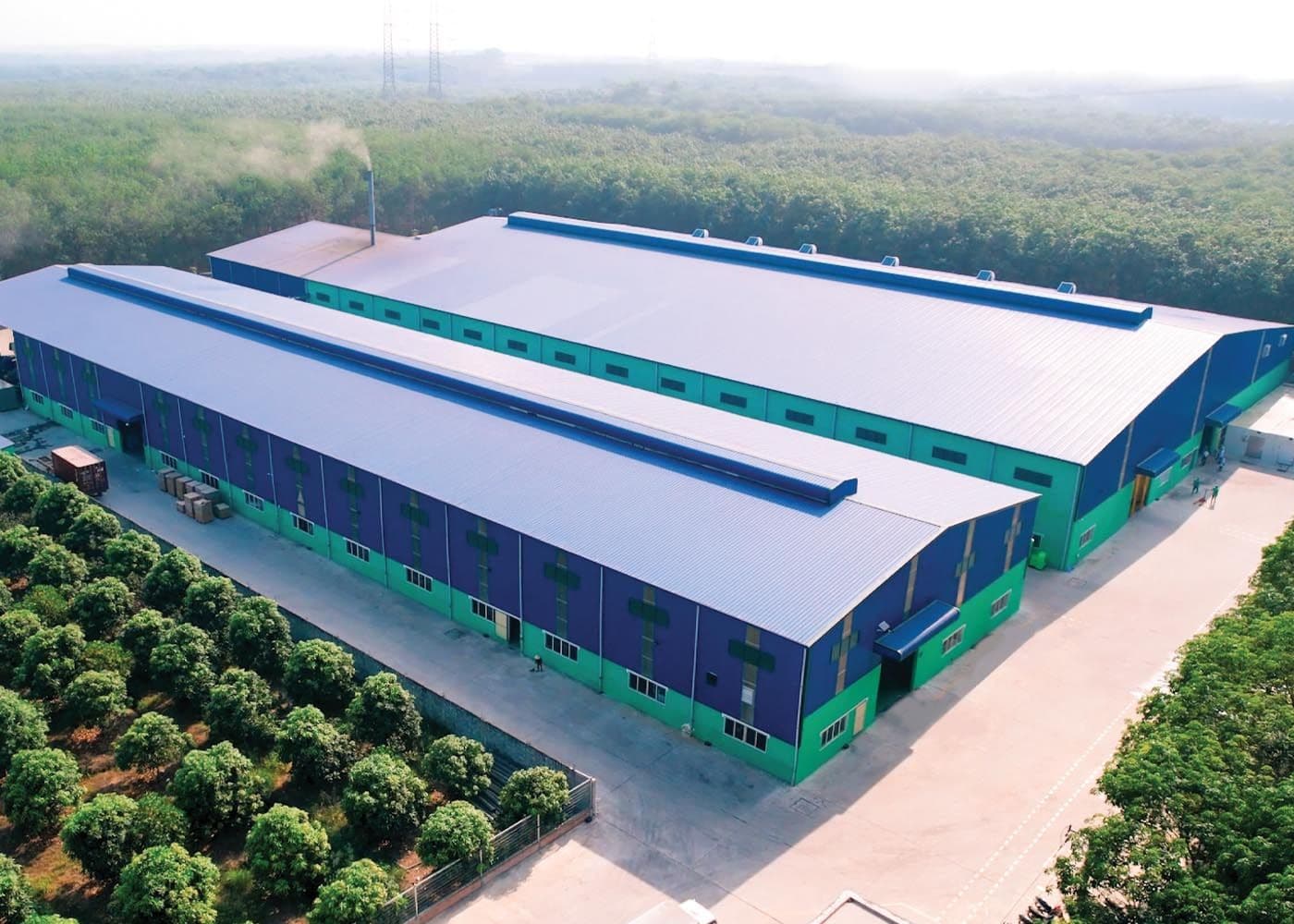
Choosing a coconut water OEM partner starts with knowing who will make your product, what evidence they can supply and which responsibilities both sides will accept. Equipment lists and competitive quotations are useful, but neither substitutes for a clearly documented manufacturing arrangement.
This checklist is for buyers who have a draft coconut water brief and are ready to contact candidate suppliers or follow up after a facility visit. It concentrates on the information to request, the questions to ask and the decisions to record. It does not certify or describe the manufacturing capabilities of VINUT TRUST itself.
1. Clarify the business arrangement before comparing factories
The terms OEM, private label and co-packing are used differently across suppliers. Rather than relying on a sales label, describe the work each party is expected to perform.
A proposed arrangement might use an existing formulation under the buyer's brand, adapt a formulation for a new product, or manufacture from specifications the buyer already owns. The commercial agreement should identify who approves the formula, who procures ingredients, who makes the product and who owns artwork and technical documentation.
The U.S. FDA guidance on co-manufacturer supplier approval distinguishes a brand owner from a co-manufacturer and explains how certain ingredient-verification responsibilities can arise. That guidance is specific to the situations it covers, not a universal template for every beverage contract.
Before requesting a sample, identify the actual legal manufacturing company and site address. If your first contact is a distributor or intermediary, ask how it relates contractually to the physical production site.
2. Send an identical brief to every candidate
Two quotations are not comparable if one assumes a small can with a standard label and another assumes custom packaging, a different recipe or a different delivery point.
Your initial document should state:
- The intended product: for example, coconut water, coconut water from concentrate or a specified coconut-fruit beverage.
- Proposed ingredients, desired flavour and whether the recipe is existing, adapted or custom.
- Package material, fill size, closure, case pack and artwork requirements.
- Destination market, intended sales channel and language needs.
- Approximate order volume and expected reorder pattern, marked as estimates.
- Any documented product claims or certification requirements needing verification.
- Target launch window and which party handles transport and import formalities.
For the broader pre-quote preparation process, see the private-label coconut water planning guide. Here, the objective is narrower: send the same assumptions so that supplier replies can be evaluated fairly.
3. Ask for a site-specific evidence pack
Instead of asking whether a candidate is “globally certified”, request the actual records needed for a preliminary review.
Item to request | What the buyer needs to establish |
|---|---|
Legal manufacturer and plant | Which registered company and production location would fill the product |
Product and process scope | Whether the proposed formula and pack are supported by that production arrangement |
Relevant food safety evidence | Certificate holder, location, scope, issuing body and current validity where applicable |
Traceability example | How ingredient lots connect to finished-product lots and customer shipments |
Specification and test approach | Which product characteristics and safety controls are monitored and who approves release |
Packaging and shelf-life basis | Evidence relevant to the exact proposed formulation and pack |
Sample and change procedure | How sample approvals, recipe changes and deviations are documented |
The CBI guide to entering the European coconut water market, updated on 4 August 2025, describes buyer expectations and distinguishes mandatory food requirements from additional commercial certifications. A BRCGS or FSSC 22000 certificate may matter for a customer, but no list of certifications guarantees that every product can enter every market.
Do not treat FDA facility registration as FDA approval of an individual coconut water beverage. Ask a qualified importer or regulatory adviser what applies to the actual product and destination.
4. Check raw-material and batch traceability
Coconut water is sensitive to raw-material and processing conditions. The question is not whether a supplier promises “premium coconuts”, but how it documents the proposed ingredient and manages variation.
Ask whether the product would use coconut water obtained directly from coconuts, an intermediate ingredient or a concentrate. Request relevant ingredient specifications, receiving checks, example lot identification and procedures for dealing with a material that does not meet specifications.
For EU trade, the European Commission's 2026 explanation of traceability explains the need to trace food and ingredients through a supply chain and respond when problems arise. Do not assume a generic photograph or a country-of-origin claim proves lot-level origin.
If a supplier offers a particular origin claim, organic status or other market-sensitive wording, request evidence for the specific product before approving the label.
5. Ask questions that turn a factory visit into decisions
During a visit or remote audit, distinguish what you observed, what a representative told you and what was documented. They are different levels of evidence.
Ask to see the proposed production line or a defensible description of it, the controls relevant to the product, how records are kept, and what the team does when a sample or batch fails specifications. If an audit is required, define its scope with a suitably qualified professional.
Record open questions in a simple log:
Question | Evidence received | Status | Owner / next action |
|---|---|---|---|
Which plant will fill our selected pack? | Site and line document | Verified / clarify / hold | Supplier quality contact |
Does the certificate cover that plant and activity? | Certificate and scope | Verified / clarify / hold | Buyer QA team |
How are finished lots traced? | Example batch record | Verified / clarify / hold | Manufacturer QA team |
Who approves the commercial label? | Written responsibility matrix | Verified / clarify / hold | Brand and importer |
A self-created percentage such as “80% of criteria met” is not a regulatory pass mark. A critical issue should not be averaged away by less important positives.
6. Negotiate costs without relying on industry-wide MOQ promises
There is no single minimum order quantity or lead time appropriate for every coconut water product. Print runs, packaging components, formula changes, factory scheduling, testing and transport can all affect an offer.
Request a quotation that separates formula or sample work, packaging tooling or printing, unit price, quality testing, storage, shipment terms and one-time charges. State whether the price applies to the first order, repeat orders or both.
Ask how the supplier handles an artwork correction, changed forecast, ingredient shortage, rejected batch or delayed delivery. The answers should be recorded before purchase orders are issued, rather than inferred from a favourable unit price.
7. Use a short follow-up email and make a documented decision
After a conversation or site visit, a concise message can prevent the project from drifting.
Subject: Coconut water project — documents and open questions
Thank you for discussing our [product/pack/market] brief. Could you confirm the legal manufacturing site, relevant product and packaging scope, available quality/traceability documents, sample approval steps and a quotation using the attached assumptions? Please also identify any elements requiring further testing or customer approval. We will consolidate the evidence and respond with our remaining questions.
The email is a buyer-side template, not a statement that any named brand offers every listed service. Follow up with a review record indicating one of three decisions: proceed to the next sample stage, clarify a specific issue, or hold the project until a critical requirement is addressed.
For a separate article focused on comparing the technical capability of potential contract manufacturers, see the coconut water manufacturer evaluation guide.
What to verify before signing
A clear agreement should identify product and quality specifications, responsibilities for ingredients and label approval, sample acceptance, complaint and recall communication, change control, ownership of formulas and artwork, pricing assumptions and applicable importer obligations. A qualified adviser can help determine what additional contractual or regulatory detail is necessary.
This article describes general procurement practice. It does not establish that VINUT TRUST owns a specific factory, possesses every certificate mentioned, can offer a particular MOQ or provides a complete contract-manufacturing service. For verified current brand information, use the VINUT TRUST contact page.
Key takeaway: A useful OEM checklist creates a record of who will make the product, what evidence supports the offer and what remains unresolved. Choose a supplier only after the evidence aligns with your specific coconut water brief.

QUESTIONS & ANSWERS
Frequently asked questions
What should I request from a coconut water OEM factory before asking for a quote?
Send a consistent product and packaging brief, estimated volumes, target markets and label requirements. Ask the supplier to identify the actual manufacturing site and explain what is included in the offer.
Is an FDA registration or food safety certificate enough to select a coconut water manufacturer?
No. Registration is not FDA approval of a finished product, and a certificate must be checked for its holder, site, scope and validity. Product-specific controls and importer duties also need review.
Is there a standard minimum order quantity for coconut water OEM projects?
There is no universal MOQ. Packaging print runs, formula complexity, production scheduling and factory terms change the quantities and costs. Request a quotation using the same assumptions for each candidate.
How can I follow up after visiting a coconut water factory?
Send a concise record of the proposed product, documents received, unresolved questions, responsible contacts and next actions. Mark each critical item verified, clarification required or on hold.

How to Evaluate a Coconut Water Contract Manufacturer: An Evidence Checklist
Evaluate a coconut water co-packer using actual facility and product evidence, traceability, food safety controls, samples, commercial terms and documented risk-based decisions.
Read Story
Coconut Water with Pulp: Five Simple Ways to Enjoy Its Texture
Discover the soft coconut pieces in pulp-style coconut water, five serving ideas and a practical guide to ingredients, sugars and safe storage.
Read Story
Private-Label Coconut Water: What to Prepare Before Requesting Quotes
Planning a private-label coconut water? Prepare a clear product brief, verify supplier documentation and compare quotes without relying on generic MOQ or certification promises.
Read Story