
Coconut Water with Pulp: Five Simple Ways to Enjoy Its Texture
Discover the soft coconut pieces in pulp-style coconut water, five serving ideas and a practical guide to ingredients, sugars and safe storage.
Coconut water with pulp combines the liquid from a coconut with small pieces of tender coconut flesh. The pieces bring a soft, lightly chewy texture to a drink that would otherwise be smooth. For someone trying it for the first time, the most useful question is not whether it has special health benefits. It is how to serve it, how the texture fits your taste and what the finished pack contains.
This is a guide to the beverage category, not a specification for a particular VINUT TRUST product. Coconut water with pulp is also different from nata de coco, coconut milk and a coconut-flavoured soft drink, even though the names can sound similar.
What exactly is the pulp?
In this style of drink, pulp normally means pieces of soft young coconut meat. The Philippine National Standard for chilled young coconut water recognises chilled coconut-water drinks made with or without tender young coconut solids. That standard describes a category and hygiene principles, not the ingredient composition or certification of any VINUT TRUST SKU.
Coconut milk is different: it is produced from coconut meat and has a richer, more opaque character. Nata de coco is different again: its characteristic gel forms through bacterial-cellulose fermentation. If you enjoy chewable coconut-based inclusions, VINUT TRUST has a separate Nata de Coco collection, but its products should not be mistaken for pieces of young coconut flesh in bottled coconut water.
What matters most at the table is the contrast between liquid and soft pieces. Some people like that extra bite, while others prefer a drink with no solids at all.
Five serving ideas worth trying
You do not need a complex recipe to appreciate pulp. Begin with the instructions on the exact drink you have purchased.
1. Serve it chilled. If the package permits, refrigerate the drink before serving, then enjoy it in a glass. Chilling can make the flavour feel different, but there is no universal temperature at which every product tastes best.
2. Pour it over ice. A few clean ice cubes are an easy option when you want a colder drink. Remember that melting ice will dilute sweetness and flavour. Use safe drinking water to make the ice.
3. Show the pieces in a clear glass. Pour slowly and watch the pulp settle or move through the liquid. If the pack recommends gently shaking before opening, follow that instruction to help distribute the pieces. Do not assume every package needs vigorous shaking.
4. Add a tropical fruit note. Mango or pineapple can complement coconut flavour in a mixed drink. Try a small quantity of compatible fruit or prepared fruit ingredient, then taste before adding sugar. The added ingredients change the final recipe, so the original beverage's nutrition panel no longer describes the entire glass.
5. Use it in a simple non-alcoholic mix. For example, combine a serving with a little lime and fresh mint if that suits your taste. Coconut pieces can give a mocktail a visible texture, but check the serving vessel and consider whether the pulp works comfortably with any straw you use.
These are serving suggestions, not established formulations for a specific commercial product. Always use the pack's storage and preparation directions. For chilled drinks at an event, keep the beverage at an appropriate temperature rather than leaving opened servings out for an extended period.
Which drink format fits the occasion?
The difference between coconut beverages is often a matter of texture and ingredients, not one format being objectively better.
Drink format | Typical experience | What to check |
|---|---|---|
Coconut water without pieces | Smooth liquid, little or no chew | Complete ingredient list and sugars |
Coconut water with pulp | Coconut-water-style base with tender pieces | Whether pieces are coconut flesh, plus added ingredients and serving |
Coconut milk or cream | Richer, opaque coconut-based liquid | Ingredients and intended drink or culinary use |
Nata de coco in a drink | A drink with fermented cellulose-jelly pieces | Sweetened syrup, serving size, allergens and other ingredients |
A recipe may mix these categories, but the name on a menu does not tell you exactly what is in the final glass. This is especially important when buying packaged drinks across different countries, where labels and product naming can vary.
What should you read on the package?
Look beyond the words “with pulp”. Different brands may use coconut water, tender coconut pieces, water, sugar, acidity regulators or other ingredients in different proportions. Some products may include preservatives or allergen-related declarations. You cannot determine the formulation from the presence of soft pieces alone.
The U.S. Food and Drug Administration's Nutrition Facts guide explains how the declared serving size relates to calories and nutrient amounts, and how total sugars differ from added sugars on U.S. labels. Requirements in other markets may differ.
Before choosing a product, check the ingredient list, nutritional values for the stated serving, any allergen or sensitivity information, and directions for storage after opening. Do not assume that all coconut water with pulp is sugar-free, preservative-free, organic or suitable as a medical rehydration treatment.
People with difficulty chewing or swallowing should consider whether a drink containing pieces is suitable for them. Smooth coconut water and pulp-containing beverages are not interchangeable in mouthfeel.
How do you keep a prepared serving safe?
Use clean glasses, clean equipment and safe ice. Read the package's opening instructions. Refrigeration requirements and time limits differ by processing method and product, so a time stated by another brand must not be applied to your drink.
The FDA's guidance on storing food safely recommends prompt refrigeration for foods requiring refrigeration and explains why controlling temperature matters. That is general food-safety guidance, not a product-specific shelf-life declaration. If a drink smells unusual, its container is damaged or there are other signs of spoilage, follow food-safety advice and do not rely on tasting it to prove it is safe.
For a gathering, keep opened servings protected and cold as appropriate to the product, and avoid preparing more than can be served safely. The simplest serving ideas are often the easiest to manage.
A final note on VINUT TRUST products
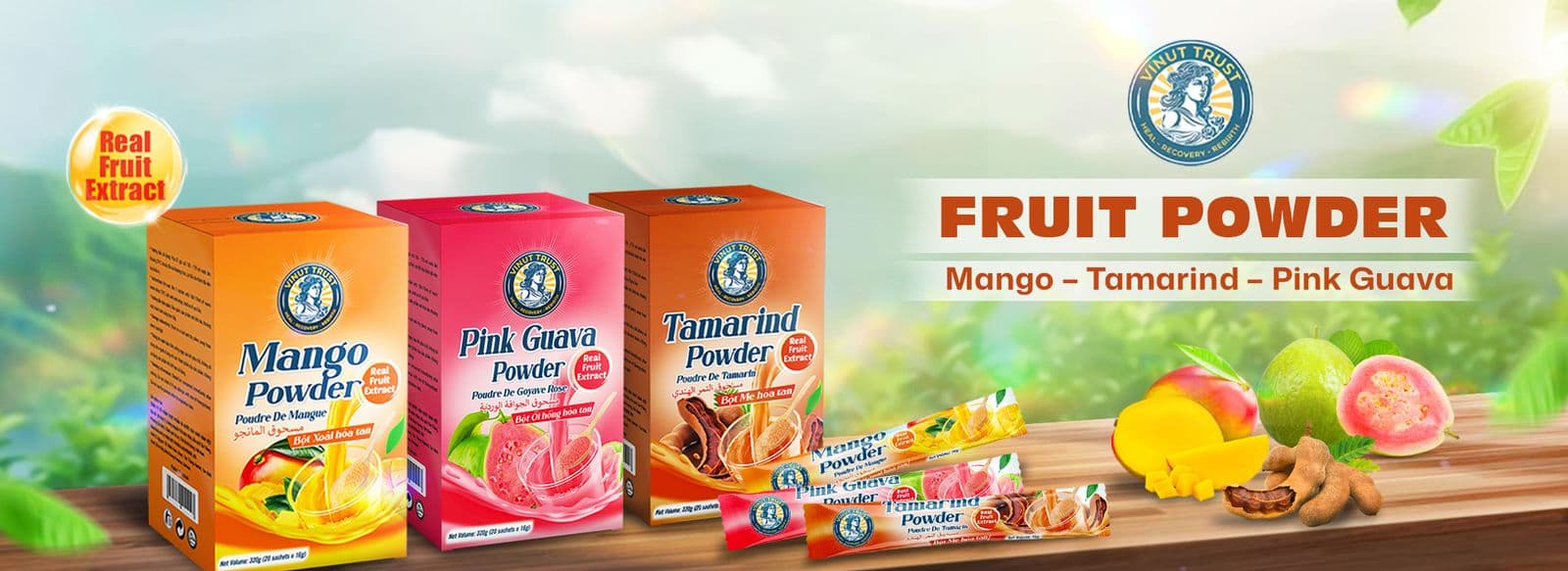
VINUT TRUST's currently visible product collections include beverage powders and coconut-based jelly, but this article does not establish that a VINUT TRUST-branded coconut-water-with-pulp drink is listed for sale. If you need to know whether a particular coconut water format is available, use the brand's contact page and ask for the product name, label and pack details.
If you are interested in fruit flavour combinations, the brand's Fruit Powders collection offers other tropical flavour formats. These are separate products, not automatically suitable ingredients for every coconut water recipe.
The takeaway: Coconut water with pulp is primarily a texture-led variation. Serve it chilled, over ice or in a simple tropical mix if its instructions allow, and let the actual label—not a generic wellness claim—explain what is in your drink.
QUESTIONS & ANSWERS
Frequently asked questions
What is the pulp in coconut water with pulp?
It usually refers to tender pieces of young coconut flesh suspended in coconut water or a prepared coconut-water drink. Check the finished product's ingredients for its exact composition.
How can I serve coconut water with pulp?
Try it chilled or over clean ice, or mix a suitable serving with tropical fruit or lime. Follow the product's directions, including any instructions about shaking or refrigeration.
Is coconut water with pulp the same as nata de coco?
No. Tender coconut pulp is coconut flesh, while nata de coco is a chewable bacterial-cellulose gel formed by fermentation. They offer different textures and products may have different ingredients.
Does VINUT TRUST sell coconut water with pulp?
This article does not confirm a current VINUT TRUST-branded product in that format. Contact the brand for an up-to-date product listing, packaging and approved label before relying on product-specific claims.

Coconut Water OEM Factory: A Practical Evidence and Follow-Up Checklist
A buyer-focused checklist for coconut water OEM projects: verify the actual producer, request comparable records and quotes, and document what happens after a factory visit.
Read Story
How to Evaluate a Coconut Water Contract Manufacturer: An Evidence Checklist
Evaluate a coconut water co-packer using actual facility and product evidence, traceability, food safety controls, samples, commercial terms and documented risk-based decisions.
Read Story
Private-Label Coconut Water: What to Prepare Before Requesting Quotes
Planning a private-label coconut water? Prepare a clear product brief, verify supplier documentation and compare quotes without relying on generic MOQ or certification promises.
Read Story