
How to Evaluate a Fruit Juice Contract Manufacturer: A Buyer's Checklist
A practical fruit juice co-packer evaluation guide covering juice type, processing scope, food safety records, export labels, traceability and commercial evidence.
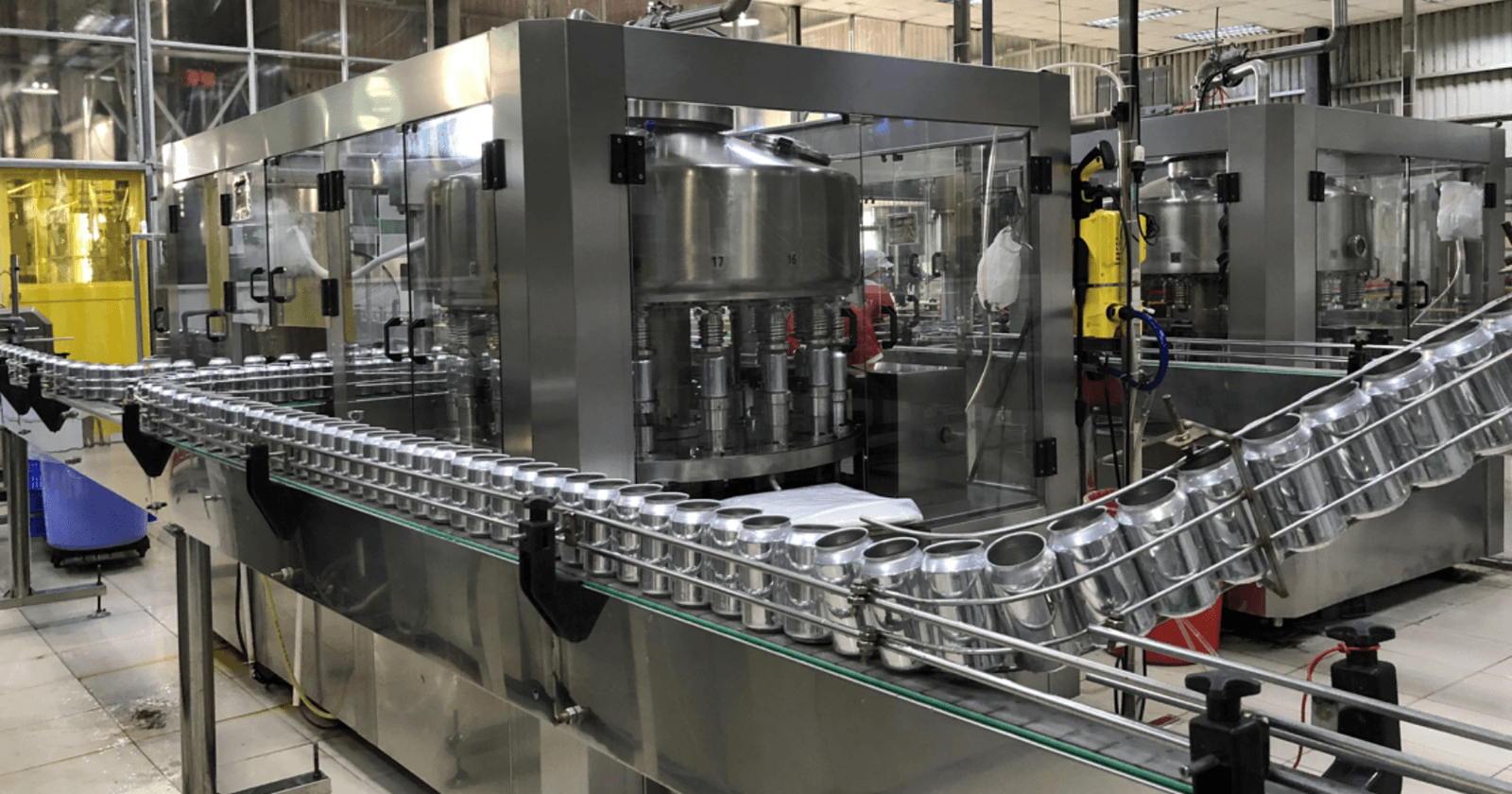
The right fruit juice contract manufacturer is one that can document how it would make, verify and deliver your particular beverage. A polished catalogue and a good-tasting first sample may help start a conversation, but neither proves that a factory can consistently make your selected juice in the intended pack for your destination market.
This guide explains how to assess suppliers after your product brief is ready. It covers fruit juice-specific questions such as juice composition, raw-material variation and applicable safety controls. It is an industry guide, not a claim that VINUT TRUST itself owns a juice factory or guarantees co-packing services.
1. Confirm which fruit beverage you want made
Before comparing equipment or prices, confirm whether the brief concerns not-from-concentrate (NFC) juice, juice reconstituted from concentrate, a fruit purée-based beverage, nectar or a fruit drink. These are not interchangeable product descriptions, and the rules governing product names and composition differ across markets.
A CBI fruit juice market-entry guide describes industry quality indicators such as flavour, colour, soluble solids, acidity, pulp and the composition of juice blends. Its market analysis is from 2018, so it should be used as background on technical terminology, not as a current statement of European legal requirements or market size.
For each candidate, ask for a proposed finished-product specification: actual ingredients, juice or purée percentages as relevant, Brix or other pertinent quality parameters, allergen considerations, pack size, storage conditions and product name intended for the target market. A broad offer to make “100% natural juice” does not answer those questions.
2. Confirm the legal manufacturer and actual production site
A brand owner, importer, trader and physical processor can be different parties. Ask who will manufacture and fill the juice, where the line is located and which entity holds the applicable quality records. If a trading company quotes the product, request evidence linking that company to the proposed plant.
The FDA's co-manufacturer supplier-approval guidance illustrates why supply-chain roles and responsibility for ingredient approvals should be allocated explicitly. It does not establish that every food brand owns its manufacturing equipment.
A useful first evidence set includes the site address, relevant product categories, process-flow outline, examples of the proposed packaging and the responsible quality contact. None of those should be inferred from marketing photography.
3. Examine the relevant juice safety system
The correct safety review depends on the product, process and destination market. For juice sold in the United States, the FDA's Juice HACCP compliance guide explains requirements under 21 CFR Part 120 for covered juice processors. It discusses hazard analysis, recordkeeping and the pertinent-pathogen reduction standard, with distinctions and exceptions for some product and business situations.
Do not assume that a certificate labelled “HACCP” by itself demonstrates compliance for the exact juice line. Ask for the applicable hazard analysis, process-control validation, monitoring and corrective-action procedures, and evidence relevant to the proposed beverage. A product that contains juice may have a different regulatory scope from a product sold as juice, even while the juice ingredient itself is subject to relevant processing controls.
For other destinations, confirm the actual rules with the responsible importer and qualified regulatory team. BRCGS, FSSC 22000 and IFS may be buyer-requested food safety schemes, but are not universally identical to government permission to import any juice product.
4. Check how fruit and finished batches are traced
Fruit material can differ by season and supply lot. Ask how the manufacturer checks incoming fruit or juice ingredients, identifies suppliers and connects the finished product to its ingredient and processing records.
The relevant proof may include approved material specifications, receiving checks, lot coding, example batch records and procedures for investigating an out-of-specification result. An origin claim such as “grown in Vietnam” should be traceable to the actual material and applicable claim, not simply to a country associated with the brand.
Also ask what happens when a juice's colour, acidity, flavour or other specified properties change. A credible answer identifies defined tolerances, decision authority and corrective actions, rather than promising that every seasonal batch will taste identical without evidence.
5. Review the packaging and finished label together
A factory that can fill glass bottles may not be suitable for a particular canned, PET or carton product. Confirm the actual line, suitable package materials, fill volume, case configuration and validated shelf-life target for the selected formulation.
For the European Union, the European Commission's guidance on mandatory food information summarises requirements for prepacked foods, including food name, ingredient and allergen information, net quantity, date marking, storage information, business-operator details and nutrition declarations as applicable. Fruit juices also have product-specific EU rules. The current consolidated legislation and each destination's requirements should be checked rather than copied from an old export article.
An approved sample, a test report and a final printed label each answer different questions. Ask who is responsible for artwork approval, market-specific language, substantiation of claims and final release of packaging.
6. Compare candidates using evidence, not advertising tiers
Request the same documents and commercial assumptions from each shortlist candidate. Then score the evidence, not whether one supplier describes itself as “premium”.
Review area | Evidence to request | A reason to hold |
|---|---|---|
Product fit | Formula scope, juice type, sample and specification | Proposed drink differs from the brief |
Actual factory | Legal entity, site and relevant processing line | Site or production arrangement unclear |
Safety controls | Product-specific hazard analysis and records | Claims without applicable controls |
Traceability | Sample ingredient-to-batch lot history | Cannot identify sources or affected lots |
Stability and pack | Tested shelf-life basis and packaging spec | Generic shelf-life promise |
Export label | Named reviewer, market rules and artwork approval | Unsupported “approved for all markets” |
Commercial terms | MOQ, lead time, total costs and exclusions | Non-comparable assumptions |

The original article included this comparison graphic. Its labels, underlying assumptions and images have not been independently verified. Use the evidence table above, not an unverified graphic ranking, when making a supplier decision.
These are practical procurement prompts, not legally prescribed scores or replacements for a technical audit. For each criterion, record verified, clarification required or hold, the supporting document and who reviewed it.
7. Check a sample and the supplier's change process
Taste a representative sample, but ask whether it was made using the proposed commercial ingredients and process. If it was a laboratory preparation, identify what must still be confirmed before a production run.
Request the steps for approving a revised formula, changing a juice ingredient, modifying artwork, investigating a complaint or handling delayed packaging. Ask whether shelf-life evidence relates to the same formula and pack, not a different product. A sample's appearance cannot prove its microbiological safety or future commercial stability.
MOQ and lead time are specific to the quotation. They may depend on juice availability, production scheduling, packaging printing, testing and shipping arrangements. Avoid copying fixed numbers from generic supplier comparisons as if they were universal industry benchmarks.
8. Decide with clear responsibilities
Before signing, record who approves the recipe, ingredients, label and packaging, who owns quality-release decisions, who maintains batch records and who coordinates importer obligations. The FDA Juice HACCP guide explains why responsibilities and records matter for covered juice operations.
A strong candidate is one whose evidence is coherent and whose unanswered issues have a documented resolution plan. A missing item may warrant clarification or a qualified site audit. It should not automatically be dismissed as proof that a factory is unsafe, nor accepted based on optimistic sales claims.
This VINUT TRUST Journal article is general supplier-evaluation guidance. It does not verify that VINUT TRUST is a manufacturer, operates the equipment described or holds the named certificates for any particular facility. For current brand information and the appropriate contact, use the VINUT TRUST contact page.
The takeaway: Evaluate a fruit juice co-packer against the specific juice, process, pack and destination market. Compare traceable evidence, validated food-safety controls and transparent commercial terms before trusting a factory's size or promotional claims.
QUESTIONS & ANSWERS
Frequently asked questions
What should a buyer check first when evaluating a juice co-packer?
Start with the exact juice type, finished-product specification, target market and packaging format. Then confirm the actual manufacturing site and evidence that it can make that product.
Does every fruit juice factory need BRCGS, FSSC 22000 and IFS certificates?
No universal list of voluntary schemes covers every product and market. Check the applicable legal requirements and each buyer's requested certifications, including site, scope and validity.
How does U.S. Juice HACCP affect contract manufacturing?
FDA's 21 CFR Part 120 establishes requirements for covered juice processors, including hazard analysis and process controls. The exact obligations depend on the juice product and business role, so specialist review is necessary.
How should two fruit juice manufacturing quotations be compared?
Use the same recipe, pack, volume and destination assumptions. Compare real plant capability, ingredient traceability, safety records, validated shelf life, samples, MOQ, lead time and exclusions.

How to Evaluate a Coconut Water Contract Manufacturer: An Evidence Checklist
Evaluate a coconut water co-packer using actual facility and product evidence, traceability, food safety controls, samples, commercial terms and documented risk-based decisions.
Read Story
Coconut Water OEM Factory: A Practical Evidence and Follow-Up Checklist
A buyer-focused checklist for coconut water OEM projects: verify the actual producer, request comparable records and quotes, and document what happens after a factory visit.
Read Story
Pink Guava Powder: Taste, Drink Ideas and How to Choose
Curious about pink guava powder? Explore its fruity aroma, practical drink and dessert ideas, and the key differences between fruit ingredients and instant mixes.
Read Story