
Pink Guava Powder: Taste, Drink Ideas and How to Choose
Curious about pink guava powder? Explore its fruity aroma, practical drink and dessert ideas, and the key differences between fruit ingredients and instant mixes.
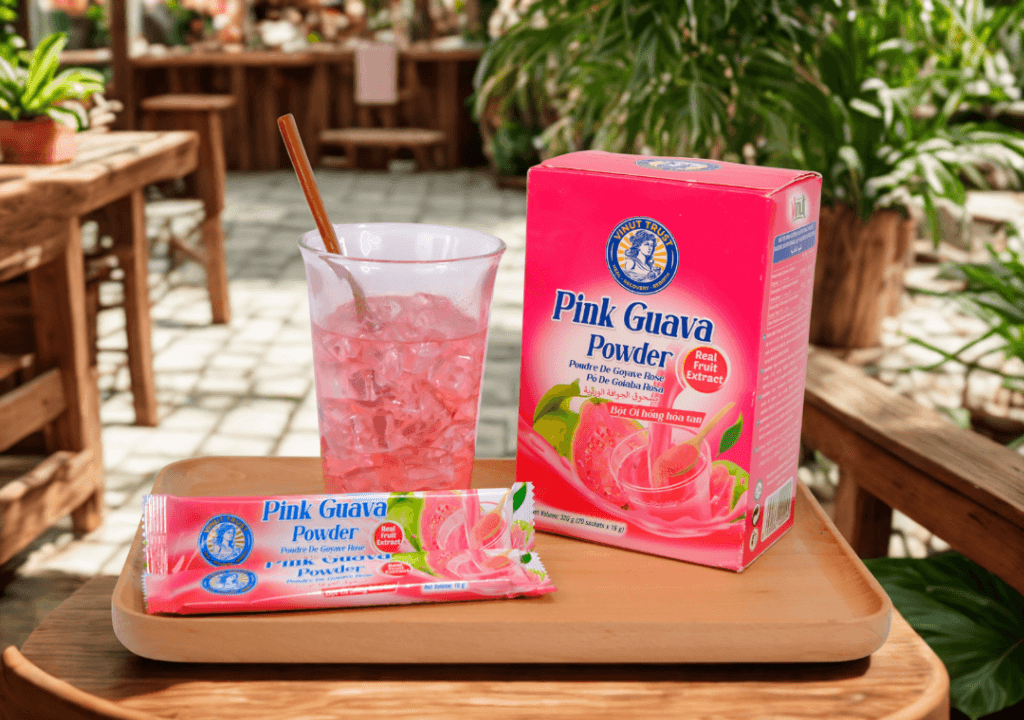
Pink guava is remembered for its bright, fragrant tropical character. In a powdered format, that flavour can be an appealing way to explore drinks and simple desserts. But “pink guava powder” does not describe one universal recipe. A dried fruit ingredient and a sweetened instant drink mix can have very different ingredients, serving directions and nutritional values.
VINUT TRUST lists a Pink Guava Powder within its Fruit Powders collection. This guide is about what to expect from the flavour, how to enjoy a suitable product and what to check before choosing one. For the exact current pack and formulation, the individual product listing and approved label—not a general article—should take priority.
What gives pink guava its distinctive flavour?
Fresh pink guava can combine fruity, green and lightly floral notes with a balance of sweetness and tartness. Those impressions are not created by one ingredient alone. Researchers have identified several aroma-active compounds in different pink guava varieties, showing that the fruit's characteristic aroma has a complex chemical basis.
A 2009 peer-reviewed study on the aroma of fresh pink Colombian guava identified a range of key odorants through analytical and omission tests. A 2024 study of developing guava fruit found that volatile compounds, sugars and organic acids changed with fruit development. The findings concern the fruit samples studied, not an independently tested composition of VINUT TRUST powder.
That difference matters in a prepared drink. Drying, formulation, flavour additions and the amount of water used may all affect what a consumer tastes. A pink colour or a guava picture on the front of a pack is not proof of a particular fruit percentage, vitamin amount or sensory result.
Is pink guava powder the same as fresh guava or juice?
No. Fruit, a fruit-based dry ingredient, an instant powdered drink and a prepared beverage are different food formats. They can have different roles in a kitchen.
Format | What it is useful for | What you should verify |
|---|---|---|
Fresh pink guava | Eating as fruit or preparing recipes from fresh produce | Ripeness, preparation and the amount used |
Dried pink guava ingredient | Adding fruit flavour or material to a suitable recipe | Ingredients, processing method and intended use |
Instant pink guava drink powder | Preparing a beverage according to the pack | Powder-to-water ratio, sweeteners, serving size and allergens |
Prepared pink guava-flavoured drink | Enjoying a ready-made beverage | Full recipe, nutrition and storage instructions |
The useful question is what job the product is meant to do. If it is sold as an instant drink mix, start with the mixing directions. If it is a culinary powder, follow a recipe written for that ingredient. The two may not dissolve, thicken or taste alike.
Three ways to explore the flavour
Start by preparing the powder exactly as the current package directs. Do not copy a powder-to-water ratio from a different flavour, a social media recipe or an image of a finished glass. Once you know the intended drink's taste, you can consider a few simple variations.
1. A chilled guava drink. Prepare the stated serving with suitable drinking water and serve it chilled if the instructions allow. Ice can change how sweetness and tartness are perceived without making an unsupported claim about the drink's nutritional value.
2. A smoothie with a tropical note. If the product is suitable for blending, try a small quantity of the properly prepared drink with banana or another flavour you enjoy. Taste before adding sweeteners, because the powder's formulation may already include sugar.
3. A chilled dessert accent. A recipe may use a small amount of guava-flavoured mixture with yoghurt or a dessert base. Test the texture first. A product designed to dissolve in water is not necessarily appropriate for baking, thick sauces or direct use as a dry topping.

These are serving ideas rather than promises that every instant mix works in every recipe. Where food allergies, dietary restrictions or storage requirements matter, refer to the pack and the complete recipe.
How should you read the label?
The word guava tells you the intended flavour or named ingredient, but it cannot replace the actual ingredients and nutrition information. The U.S. FDA's Nutrition Facts guide explains how serving size, calories, total sugars and added sugars are presented on US packaged-food labels. Other markets have their own labelling requirements.
Before choosing a pack, check five things:
- Ingredients: Is this a dried fruit ingredient or a formulated drink mix? What else has been added?
- Preparation: Is the product intended to be mixed with water, blended into food or used in another way?
- Serving information: What quantity of powder makes one serving, and which nutritional values refer to that serving?
- Allergens and storage: What does the current pack say about suitability, storage before opening and use after opening?
- Claims: Are statements such as “100% fruit”, “no preservatives”, “high in vitamin C” or “certified” supported for this exact finished product?
Fresh guava contains nutrients, but that does not establish the vitamin content or medical effects of every guava-flavoured powder. The fruit's aroma research likewise does not prove that a commercial beverage boosts immunity, improves digestion or has an identical composition to fresh fruit.
Where does VINUT TRUST Pink Guava Powder fit?
VINUT TRUST currently has a 320 g Pink Guava Powder product page within its fruit powder collection. That is the appropriate starting point for the specific product name and format. The public listing also contains older, broad promotional assertions about fruit purity, origin, processing and certifications. Those statements should be checked against an approved label or product record before being repeated as established specifications.
For another tropical flavour idea, the same collection lists mango and tamarind powder products. They may offer different taste experiences, but a claim that one is healthier, lower in sugar or richer in nutrients requires a product-level comparison—not a flavour name.
The takeaway: Pink guava is an engaging tropical flavour to explore in a glass or recipe. Choose the right format, follow the actual pack's preparation instructions and use the ingredient and nutrition information to decide what works for you. That is more helpful than assuming that all pink guava powders contain the same fruit percentage or deliver the same nutritional benefits.
QUESTIONS & ANSWERS
Frequently asked questions
What does pink guava powder taste like?
Pink guava is associated with fruity, green and lightly floral notes, but the flavour of a finished powder drink depends on its ingredients, formulation and preparation.
Is pink guava powder the same as fresh guava?
No. A dried ingredient or instant drink mix can differ from fresh fruit in composition, texture, serving size and nutrients. Use the finished product's label for accurate details.
How do I prepare VINUT TRUST Pink Guava Powder?
Follow the current packaging's instructions for powder quantity, water and storage. Do not assume a mixing ratio from a different product or from a generic recipe.
Is every pink guava powder 100% fruit or high in vitamin C?
No universal claim is appropriate. Check the complete ingredient list, nutrition declaration and any verified product-specific claims before making that conclusion.

VINUT TRUST 3in1 Instant Coffee Powder – Bold, Smooth Taste of Robusta & Arabica
Enjoy the bold taste of VINUT TRUST Instant Coffee - a 3in1 blend of Robusta & Arabica. Just add water for a rich, creamy cup anytime, anywhere.
Read Story
How to Store Mango Powder: Four Practical Ways to Protect Quality
Learn four practical mango powder storage habits, how moisture and packaging affect quality, and why the product label matters.
Read Story
Tamarind Drinks in Europe: Taste, Formats and What to Check
Curious about tamarind drinks in Europe? Explore their sweet-sour flavour, different drink formats, label checks and what market reports actually show.
Read Story