
Tamarind Drinks in Europe: Taste, Formats and What to Check
Curious about tamarind drinks in Europe? Explore their sweet-sour flavour, different drink formats, label checks and what market reports actually show.
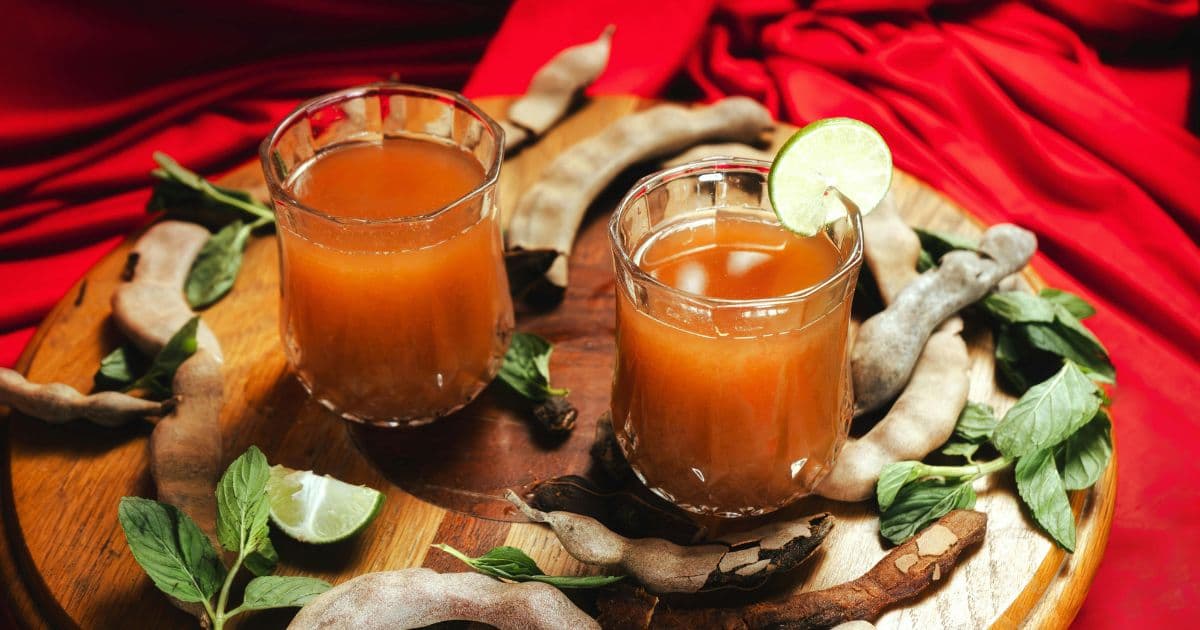
Tamarind brings a distinctive sweet-and-sour character to drinks. For someone in Europe curious about flavours beyond familiar orange or apple options, that alone makes it worth exploring. But an interesting flavour is not proof that tamarind juice sales are booming across Europe. The more useful approach is to understand the taste, the type of drink being sold and the information on its label.
Tamarind has a place in food and drink traditions in parts of Asia, Africa and Latin America. Its pulp can contribute acidity, sweetness and an earthy or caramel-like note, depending on the recipe. A finished beverage may taste quite different from the raw fruit because water, sugars, other fruit ingredients and processing all affect the result.
What does a tamarind drink taste like?
A tamarind-flavoured beverage commonly balances tartness with sweetness. Some recipes are bright and sharply tangy. Others are softer, sweeter or more rounded, particularly when the tamarind component is blended with another fruit or served as a prepared drink. Temperature and concentration can also change the perceived flavour.
This is a helpful way to compare it with more familiar fruit drinks:
Taste dimension | Tamarind drink: what to expect | What can change it |
|---|---|---|
Tartness | Often a clear, tangy note | Tamarind concentration and added ingredients |
Sweetness | Can range from restrained to distinctly sweet | Recipe, sugar and serving size |
Aroma | May have warm, fruity or earthy nuances | Processing and flavour additions |
Texture | May be smooth, pulpy or diluted | Fruit solids, filtering and format |
These are descriptive possibilities, not sensory test results for every brand. Check the specific drink rather than assuming one recipe represents the entire category. A tangy taste also does not tell you how much sugar a beverage contains.
Is tamarind juice really a growing European trend?
There is evidence of flavour experimentation in the broader European juice and juice-drink category, but that is different from evidence of a measured tamarind boom. Innova Market Insights' September 2025 overview of European juice and juice-drink innovation describes product-launch activity and interest in more unusual flavour experiences. It does not establish tamarind-specific sales, market share or a Europe-wide growth rate.
A product can also appear in a specialist grocery, a regional shop or an online listing without becoming a mainstream success in every European country. Europe is not one uniform taste market. Availability, familiarity and the words used on packaging may differ by place.
For a shopper, the practical takeaway is modest: tamarind is a flavour to discover, not a category with guaranteed popularity. For anyone researching market opportunities, country-specific retail listings, verified sales data and product-level evidence would be needed before claiming commercial growth. This article does not estimate tamarind demand or forecast future sales.
Juice, fruit drink or instant powder: what is the difference?
The words on the front of a pack should help you understand what you are buying. Tamarind may appear in a ready-to-drink beverage, a prepared fruit drink, a concentrate or a powdered mix. They are not automatically interchangeable.
Format | How it is generally used | What to check |
|---|---|---|
Ready-to-drink tamarind beverage | Served directly, often chilled | Legal product name, ingredients, sugars and serving size |
Fruit drink or blended beverage | A finished recipe that may combine fruit ingredients, water and other components | Actual fruit content and complete formulation |
Tamarind concentrate or base | Prepared by dilution or used in recipes | Preparation ratio, storage and ingredients |
Instant tamarind powder | Mixed with liquid according to pack instructions | Powder composition, sweeteners and mixing directions |
In the European Union, fruit juice and fruit nectar have specific legal definitions. The EU fruit-juice rules, as consolidated in 2026, distinguish categories and related naming requirements. A drink with a tamarind flavour is not necessarily legally classified as fruit juice. The approved name and composition for the particular product matter.
A can is simply a package format, not proof of juice percentage, healthfulness, universal recyclability or a fixed shelf life. The label and the relevant product information still need to be checked. A powdered mix should not be described as canned juice merely because both have tamarind in their name.
How can you enjoy the flavour?
Start with a product whose ingredients and instructions you can understand. For a ready-to-drink variety, try it chilled, then consider whether the sweetness and acidity suit you. If the manufacturer indicates that a concentrate or powder must be diluted, follow the specified ratio before adjusting the serving to your taste.
There are a few simple ways to explore the flavour without making nutrition claims:
- With a meal: Try a small serving alongside a savoury dish and notice whether the tart note balances the food.
- Over ice: Chilling may change how sharp or sweet a drink seems, depending on its formula.
- In a mixed non-alcoholic drink: Use a suitable ready-made base or a correctly prepared concentrate, and pay attention to the sugars contributed by every ingredient.
- As a flavour contrast: Compare tamarind with mango or guava for taste and aroma, not on an unsupported assumption that one is healthier.
VINUT TRUST has a Fruit Powders collection that includes tropical flavours, and a Tamarind Powder product page for a specific powdered format. These links are for product exploration. They do not establish that VINUT TRUST sells every ready-to-drink tamarind beverage described in this article. Check the current product label for the exact ingredients and preparation instructions.
What should a European shopper check on the label?
For prepacked foods in the EU, the European Commission's food-information guidance explains requirements concerning the food's name, ingredient list, allergens, net quantity, date and storage information, and nutrition declaration, subject to applicable conditions and exceptions.
A practical five-question check is:
- What is the legal or descriptive name? “Tamarind-flavoured drink”, “nectar”, “juice” and “powder” can mean different things.
- What is in the formulation? Read the ingredient list rather than relying on “natural” or “tropical” on the front.
- How sweet is the finished drink? Use the nutrition declaration and compare like-for-like serving quantities.
- How is it prepared and stored? Powder and concentrate need correct directions, while ready-made drinks have their own opening instructions.
- What claims can you verify? Do not assume that a fruit ingredient makes a finished beverage medicinal, sugar-free or universally sustainable.
These EU references explain the general framework, not compliance approval for an individual beverage. European countries outside the EU, including the United Kingdom, may have different applicable requirements.
Tamarind does not need an exaggerated market-growth story to be interesting. Its distinctive taste, the range of formats and clear product information give people enough to make a thoughtful choice. Explore the flavour first, and let the actual label answer the rest.
QUESTIONS & ANSWERS
Frequently asked questions
Is tamarind juice growing rapidly across Europe?
A category-wide or tamarind-specific growth rate has not been established here. Research on broader European juice innovation cannot by itself prove that tamarind sales are increasing across every country.
What does a tamarind drink taste like?
It often has a tart, sweet-sour character. Actual sweetness, aroma and texture depend on the ingredients and how the drink is prepared.
Is tamarind powder the same as ready-to-drink tamarind juice?
No. A powdered mix must be prepared according to its label, while a ready-to-drink beverage is formulated for direct consumption. Composition and nutritional values can differ.
Does a tamarind drink in a can automatically count as fruit juice?
No. Packaging does not determine the legal product category or juice content. Check the product name, ingredients and applicable requirements for the exact item.
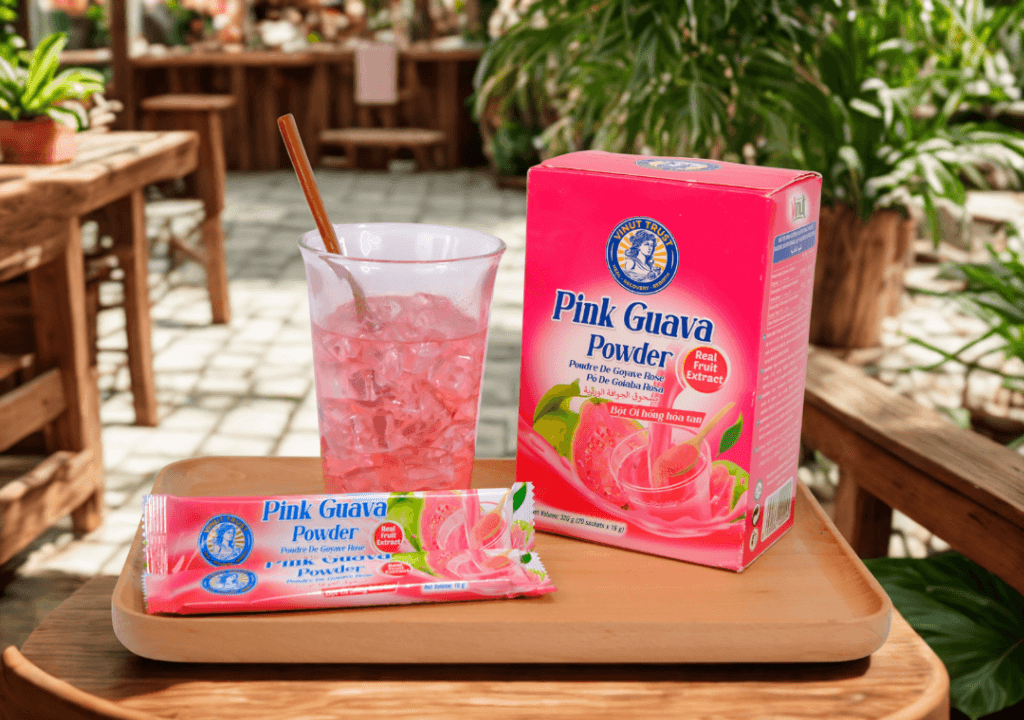
Pink Guava Powder: Taste, Drink Ideas and How to Choose
Curious about pink guava powder? Explore its fruity aroma, practical drink and dessert ideas, and the key differences between fruit ingredients and instant mixes.
Read Story
Arabica vs Robusta Coffee: Taste, Caffeine and Blends Explained
Compare Arabica and Robusta coffee by taste, caffeine and everyday preparation. Learn what bean differences mean—and what a 3-in-1 coffee label can tell you.
Read Story
VINUT TRUST 3in1 Instant Coffee Powder – Bold, Smooth Taste of Robusta & Arabica
Enjoy the bold taste of VINUT TRUST Instant Coffee - a 3in1 blend of Robusta & Arabica. Just add water for a rich, creamy cup anytime, anywhere.
Read Story