
Arabica vs Robusta Coffee: Taste, Caffeine and Blends Explained
Compare Arabica and Robusta coffee by taste, caffeine and everyday preparation. Learn what bean differences mean—and what a 3-in-1 coffee label can tell you.
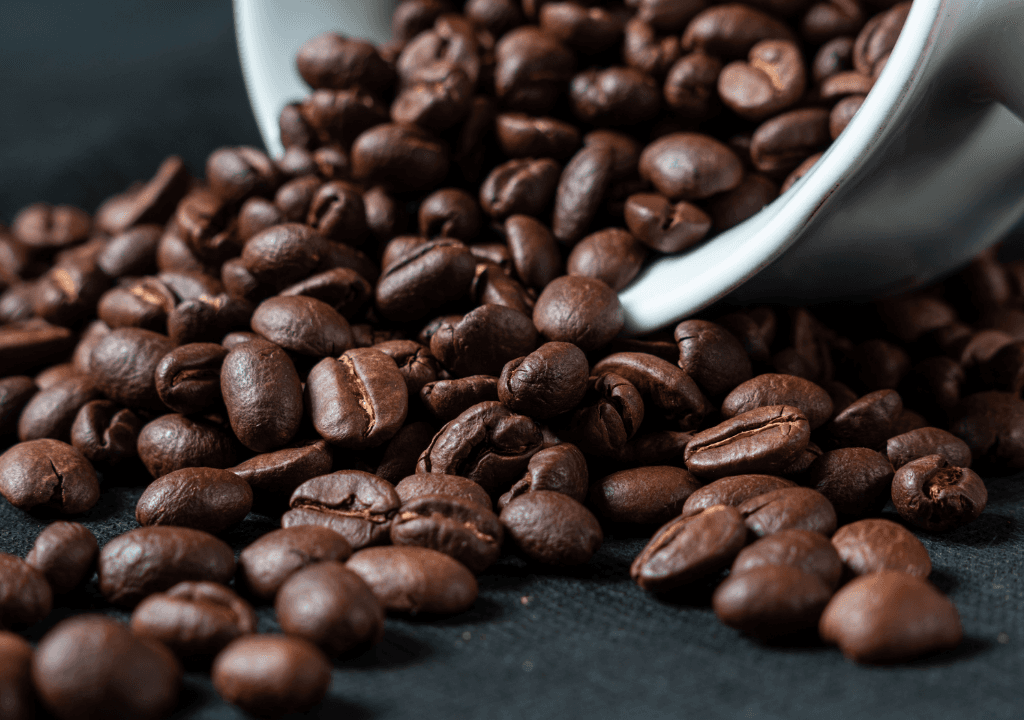
Arabica and Robusta are two different coffee species, and the distinction can influence flavour, caffeine content and how a blend is designed. Arabica often brings a more delicate or acidic flavour profile, while Robusta is often associated with a firmer body and stronger bitterness. These are common tendencies, not rules for every cup.
The best choice depends on how you enjoy coffee. A bean's species is only one part of the experience: origin, roasting, brewing, portion size and any milk or sweetener added to the finished drink also matter. If you prefer a convenient instant mix, understanding the ingredient list is often more useful than choosing solely on the words “Arabica” or “Robusta”.
What makes Arabica and Robusta different?
Arabica comes from Coffea arabica. The coffee commonly marketed as Robusta generally comes from Coffea canephora. Both are cultivated for beverage use, but they differ in botanical characteristics and in the range of compounds found in their beans.

A practical comparison is more useful than declaring one species universally better.
What to compare | Arabica: common tendency | Robusta: common tendency |
|---|---|---|
Flavour | More delicate, sometimes fruity, floral or bright | More pronounced bitterness, earthy or cocoa-like notes |
Body | Often lighter, depending on the roast and brew | Often fuller or more assertive |
Caffeine in green beans | Generally lower in comparative studies | Generally higher in comparative studies |
Use in coffee blends | Can contribute aroma and acidity | Can contribute body, intensity and bitterness |
What varies | Origin, cultivar, processing, roast and brewing | Origin, cultivar, processing, roast and brewing |
This table describes typical sensory patterns, not a flavour guarantee. A dark-roasted Arabica can taste more bitter than a light-roasted Robusta, and a carefully prepared Robusta may offer an experience quite different from the stereotypes.
For the social and cultural context of coffee in Vietnam, VINUT TRUST also has a story about Vietnamese coffee culture. This guide, however, stays focused on choosing a flavour and understanding a finished drink.
Does Robusta always contain twice as much caffeine?
Research commonly finds more caffeine in green Robusta beans than in green Arabica beans. A 2020 peer-reviewed study of 74 green-bean samples from Java, Indonesia reported mean caffeine values of 2.9% and 1.8% of dry bean weight for Robusta and Arabica respectively. These figures describe that study's samples and method, not every coffee grown worldwide.
More importantly, they are not caffeine amounts for a finished cup. Brewing strength, the amount of coffee used, extraction, serving size and any other ingredients affect what someone actually drinks. “Robusta has more caffeine in the bean” should not become “every Robusta coffee has twice the caffeine of every Arabica coffee”.
That is why a coffee label or brand's disclosed caffeine information is more relevant than a generic bean comparison when you need to monitor caffeine intake. The U.S. FDA's caffeine guidance notes substantial variation in coffee caffeine levels and individual sensitivity. It cites 400 mg per day as an amount not generally associated with negative effects for most adults, not as a personal target or a rule for people with particular health conditions.
Why do aroma, roasting and preparation matter?
Coffee flavour involves much more than caffeine. The beans contain substances that change during roasting, including compounds involved in aroma, acidity and bitterness. A 2023 peer-reviewed review of roasting and coffee blending discusses how species composition and roasting influence sensory characteristics.
When choosing a coffee, ask three questions:
- Do you want brightness or a more assertive taste? Try different roast and bean combinations rather than judging by species alone.
- How will it be prepared? A filtered coffee, a concentrated brewed coffee and an instant mix can emphasise different aspects of the flavour.
- What will be added? Milk, creamer and sweeteners can substantially change the impression of bitterness, sweetness and texture.
If you are comparing products for home use, taste the finished preparation, not just the dry beans or powder. A blend can be satisfying because its components complement each other, even when neither species dominates every characteristic.
What changes in instant coffee and 3-in-1 mixes?
A traditional brewed coffee is prepared from roasted, ground beans and water. Instant coffee is designed to dissolve into a drink when prepared as directed. A 3-in-1 product is usually a combined mix containing coffee and other ingredients that contribute sweetness or creaminess, with the precise formulation varying by product.

VINUT TRUST lists a 320 g Robusta & Arabica instant coffee powder described on its website as a 3-in-1 blend. That supports referring readers to this particular current collection item, but it does not verify the proportion of the two coffee species, the caffeine per serving, the origin of each bean or any certification. Check the approved label before stating those details.
A blend may combine Arabica-associated aroma with Robusta-associated body, but it is misleading to suggest that milk powder or creamer is always present, or that either makes coffee inherently healthier. Milk powder and non-dairy creamer are not interchangeable ingredients. For allergies and dietary preferences, the actual ingredient and allergen declarations on the pack are essential.
Explore the wider VINUT TRUST coffee collection if you want to compare currently listed formats. Only published, label-verified product information should be used to describe what each pack contains.
How do you choose between Arabica, Robusta and a blend?
A useful decision starts with the drinking occasion rather than a promise about energy or health:
Your priority | A sensible starting point | Check before deciding |
|---|---|---|
A gentler-tasting or brighter cup | Explore Arabica-led examples | Roast level and actual tasting notes |
A more assertive or bitter profile | Explore Robusta-led examples | Preparation method and roast |
A balanced flavour | Try a labelled blend | Which beans it actually contains |
A quick, sweet or creamy drink | Compare suitable instant or 3-in-1 products | Serving directions, sugars, caffeine and allergens |
Managing caffeine sensitivity | Look for clear serving-level information | Your personal guidance, not bean species alone |
For a packaged coffee mix, read the serving size and sugar information as carefully as the coffee description. The FDA's explanation of Nutrition Facts illustrates how total and added sugars are reported in the United States. Other markets use different labelling rules.
Neither Arabica nor Robusta is a medical remedy. It is not established that Arabica will always be gentler on someone's stomach, that Robusta automatically improves concentration safely or that a 3-in-1 mixture suits every diet. If caffeine disturbs your sleep or causes symptoms, consider your own tolerance and seek qualified advice when relevant.
The takeaway: Arabica and Robusta can offer different sensory experiences, and Robusta generally contains more caffeine in comparative green-bean research. But the drink you choose is shaped by the full preparation. Use flavour preferences, the label and the real serving—not a bean stereotype—to find a coffee that fits your routine.
QUESTIONS & ANSWERS
Frequently asked questions
What is the main difference between Arabica and Robusta?
They are different coffee species. Arabica is often associated with brighter or more delicate flavour, while Robusta commonly has a bolder, more bitter profile and higher caffeine in green-bean research. Individual coffees vary.
Does every Robusta coffee contain twice as much caffeine as Arabica?
No. Research often finds higher caffeine in green Robusta beans, but the amount in a finished cup depends on coffee quantity, preparation and serving size. The cited study is not a universal cup-level rule.
Can 3-in-1 instant coffee contain Arabica and Robusta together?
Yes. Some blends combine the two species. Read the specific product description and approved label for actual ingredients, coffee composition, sugar and allergens.
Is Arabica always easier on the stomach or healthier than Robusta?
No universal clinical conclusion follows from the species name. Individual tolerance, caffeine quantity and the overall drink formulation matter. Consult qualified advice if you have a condition or symptoms.
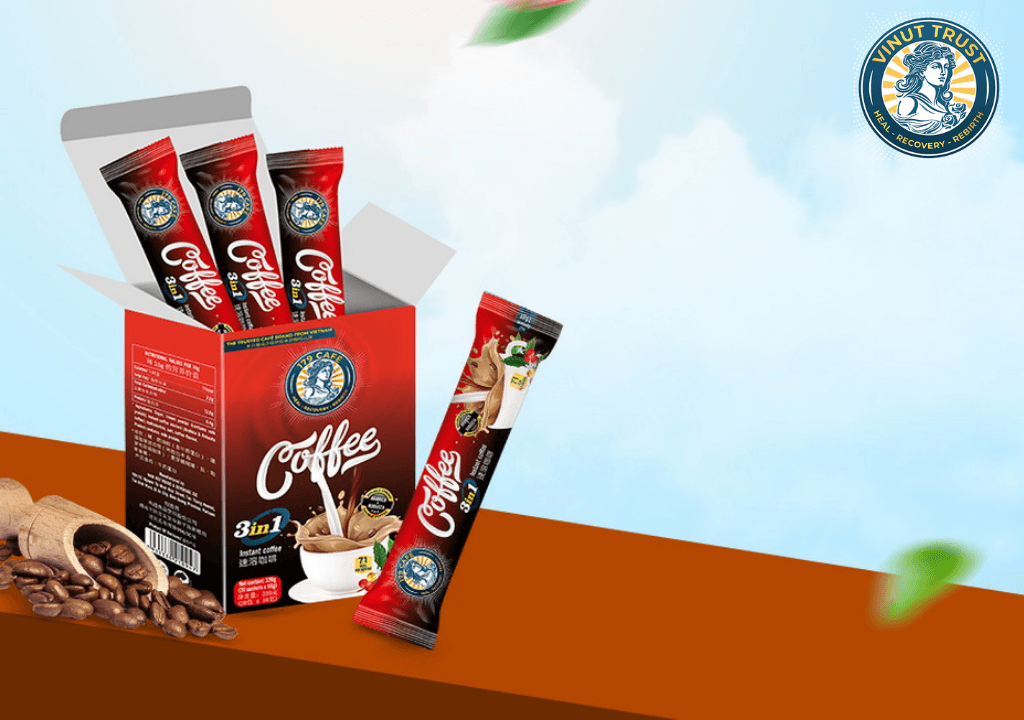
VINUT TRUST 3in1 Instant Coffee Powder – Bold, Smooth Taste of Robusta & Arabica
Enjoy the bold taste of VINUT TRUST Instant Coffee - a 3in1 blend of Robusta & Arabica. Just add water for a rich, creamy cup anytime, anywhere.
Read Story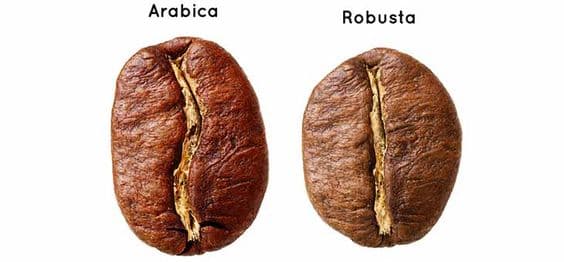
Why Are Arabica and Robusta Coffee Beans So Popular?
Arabica and Robusta, two familiar types of beans in the coffee world, always bring people the experience of sitting in a cozy café in the heart of a bustling city, enjoying a mesmerizing cup of coffee and feeling alive.
Read Story
Tamarind Drinks in Europe: Taste, Formats and What to Check
Curious about tamarind drinks in Europe? Explore their sweet-sour flavour, different drink formats, label checks and what market reports actually show.
Read Story