
Lemon in Ginger Drinks: Flavour, Vitamin C and Label Facts
Lemon adds citrus character to ginger drinks, but cannot prove vitamin C content. Learn what a finished-drink label can and cannot tell you.
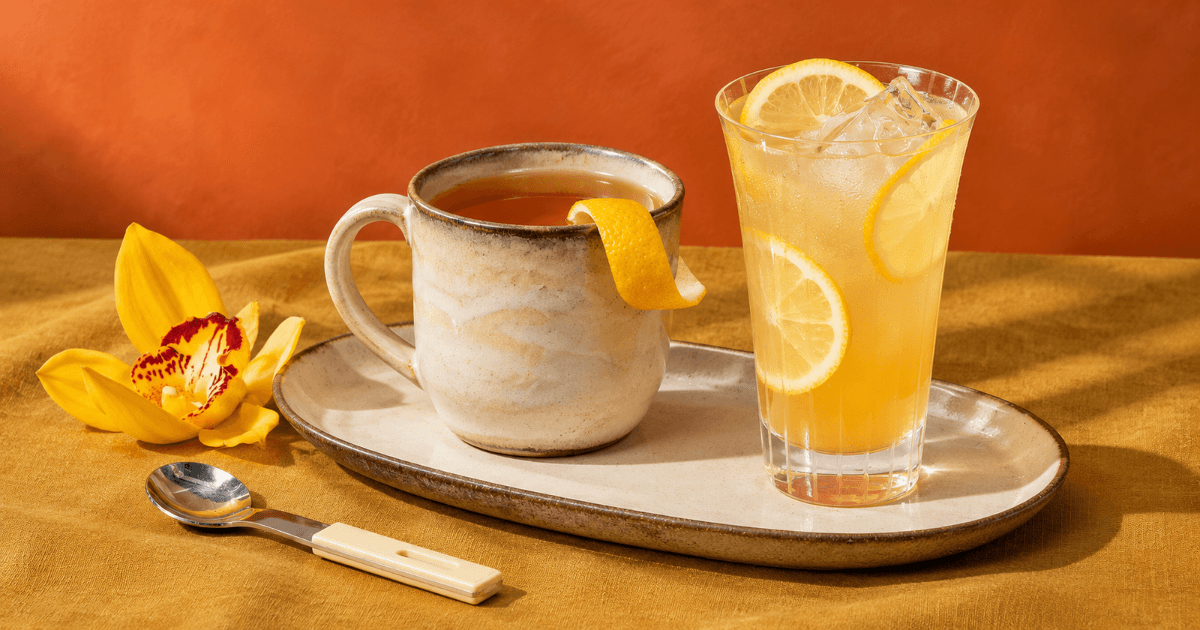
Lemon can make a ginger drink taste brighter, but lemon flavour does not establish how much vitamin C the finished drink contains. Three questions matter: what creates the taste, which ingredients are included, and whether measured nutrient information supports a vitamin C statement. These are related, but different, questions.
What role does lemon play in a ginger drink?
Lemon is used in drinks for its recognisable citrus character and acidity. Ginger can contribute a pungent, warming sensation, while a lemon ingredient introduces a tart counterpoint. Honey, where included, can add sweetness. The final balance depends on the recipe, not just the product name.
A drink made with lemon juice is not necessarily the same as a lemon-flavoured drink. Depending on its formulation, a beverage may include juice, juice from concentrate, other lemon ingredients or flavourings. If you want to know whether lemon juice is present, read the ingredient declaration. A citrus taste alone cannot provide that answer.

Why is vitamin C a separate question?
Vitamin C, also called ascorbic acid, is a water-soluble nutrient. Citrus fruits and their juices are among its food sources, as the US National Institutes of Health Office of Dietary Supplements explains. Yet a finished ginger drink can contain varying amounts of lemon and other ingredients. Its name does not establish the number of milligrams of vitamin C in a 30 mL, 50 mL or larger serving.
Ingredient names matter too. Citric acid, commonly associated with acidity, is not the same substance as ascorbic acid. Seeing “lemon” or “citric acid” does not allow you to calculate vitamin C. Ingredient identity tells you something about a recipe. Nutrient quantity calls for information about the finished formulation.
What if vitamin C is not mentioned on the package? That omission is not a numerical measurement. Labelling obligations can differ by market and by the claims a manufacturer makes. When the amount matters, look for a supported nutrition declaration or request the relevant product specification.
How can processing and storage affect vitamin C?
The NIH explains that prolonged storage and cooking can reduce vitamin C in foods. A 2024 scientific review of juice processing also discusses differences in ascorbic acid retention across beverages and processing conditions, including changes during storage. There is no single percentage loss that can be applied to every ginger drink.
This is why labels such as “fresh” or “not from concentrate” cannot automatically prove higher vitamin C at the point of purchase. Processing is also used for food safety and shelf life. A reliable nutrient comparison needs suitable evidence about the actual products, their handling and their point in the shelf-life period.

What should you check on the finished-drink label?
Use the following checklist to separate label evidence from assumptions:
Information | What it helps establish | What it cannot establish alone |
|---|---|---|
Flavour name | The intended taste | A vitamin C quantity |
Ingredient list | Whether lemon juice, concentrate or flavouring is declared | The finished drink's vitamin C amount |
Nutrition declaration | Declared nutrient amounts, if available | Identical values in another size or market |
Vitamin claim | A nutritional statement subject to applicable rules | Automatic compliance because lemon is present |
Serving size and net content | The basis of a comparison | That per-bottle and per-100 mL figures are interchangeable |
Imagine one bottle says “Honey Lemon” but provides no vitamin C amount, while a second beverage declares a measured quantity. Both may have a citrus character, yet only the second offers numerical data for that nutrient. You should not fill the gap in the first product with values for raw lemons. For two sizes, compare numbers using the same serving basis.
What does “source of vitamin C” mean?
“Source of vitamin C” is not another way of saying “contains lemon”. In the European Union, nutrition claims must satisfy conditions in the European Commission's nutrition-claims framework. In the United States, 21 CFR 101.54 defines conditions for terms such as “good source” and “high”. Requirements depend on the market and the type of claim.
The requirements apply to actual nutrient quantities and the relevant product label. Lemon in an ingredient list is not enough to show that a finished ginger shot meets a market's criteria for a vitamin C claim.

How can you choose a lemon-and-ginger drink?
Start with flavour. If you like a citrus direction alongside ginger, a lemon combination may appeal to you. Then check the ingredient list, any available vitamin C declaration, the serving basis and the storage instructions for the exact bottle. Product-specific information is more useful than a generic description of lemon.
VINUT TRUST lists Honey Lemon in its Ginger Shot collection, with 30 mL and 50 mL options. For a nutrient comparison, the approved label for the actual bottle and market is more useful than the flavour name.
In short: lemon can shape how a ginger drink tastes. Vitamin C content is a separate question answered by verified nutritional information about the finished drink, not by the flavour name.
QUESTIONS & ANSWERS
Frequently asked questions
Is citric acid the same as vitamin C?
No. Citric acid and vitamin C (ascorbic acid) are different substances. Citric acid on an ingredient list does not quantify vitamin C.
If vitamin C is not listed, does that mean a drink has none?
Not necessarily. An absent declaration is not a measurement. Applicable labelling rules differ by market, so seek verified product-specific nutrition information.
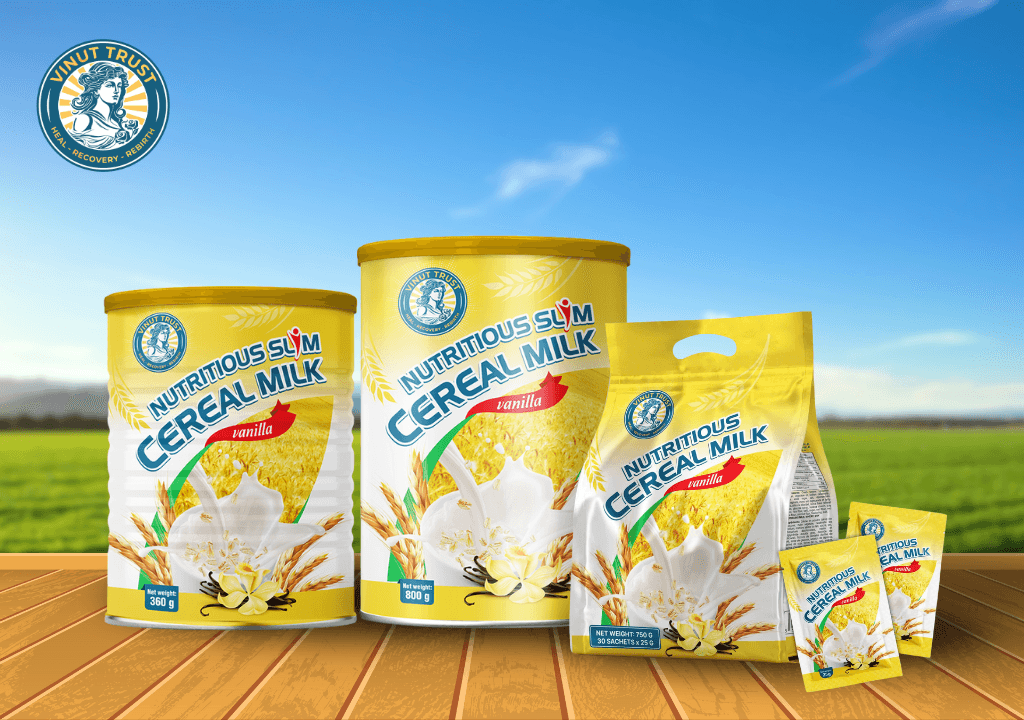
Cereal Milk Drinks Explained: Seven Nutrition and Label Checks
Understand cereal milk drinks with seven label checks: grain ingredients, fibre, protein, vitamins, sugars, allergens and preparation. No unverified health promises.
Read Story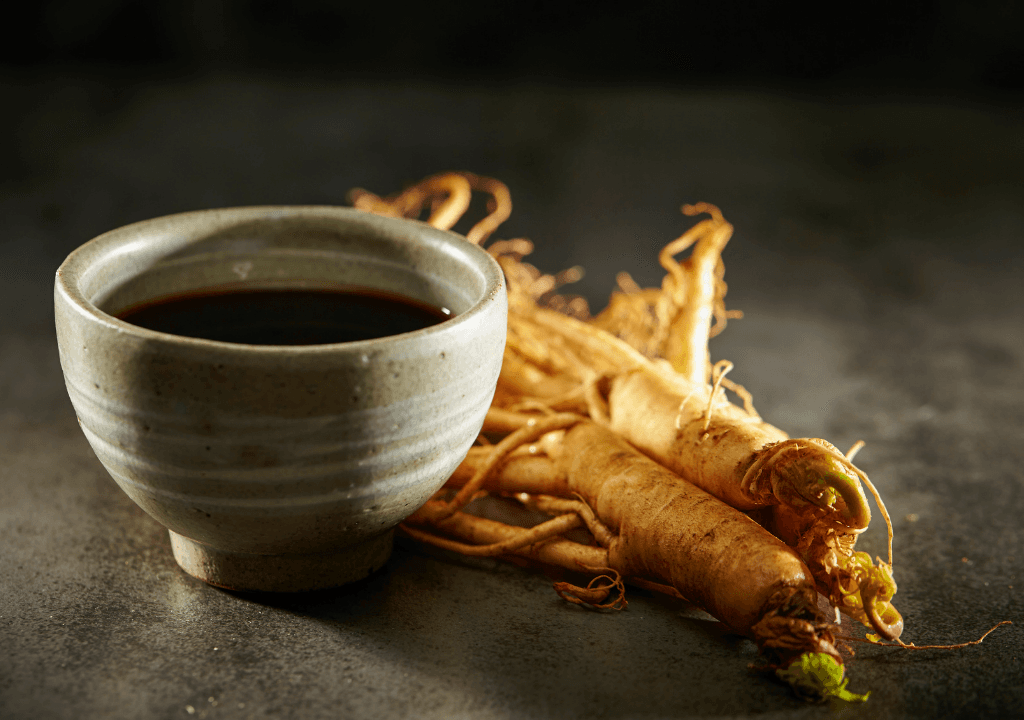
Red Ginseng Drinks: Flavour, Ingredients and What Research Says
What is a red ginseng drink, and does it deliver the benefits often advertised? Learn how red ginseng is processed, what research can tell us and how to check a finished beverage.
Read Story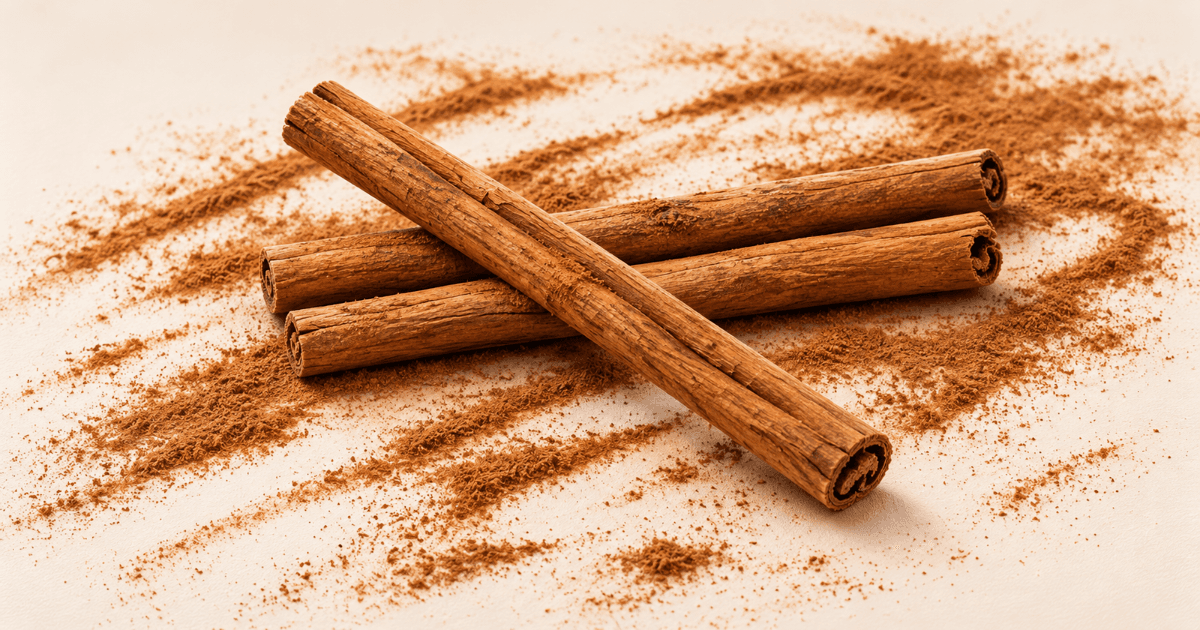
Cinnamon in Drinks: Types, Flavour and Evidence Limits
Explore cinnamon types, the flavour role of the spice in beverages, and why supplement research cannot establish the effects of a finished cinnamon drink.
Read Story