
Red Ginseng Drinks: Flavour, Ingredients and What Research Says
What is a red ginseng drink, and does it deliver the benefits often advertised? Learn how red ginseng is processed, what research can tell us and how to check a finished beverage.
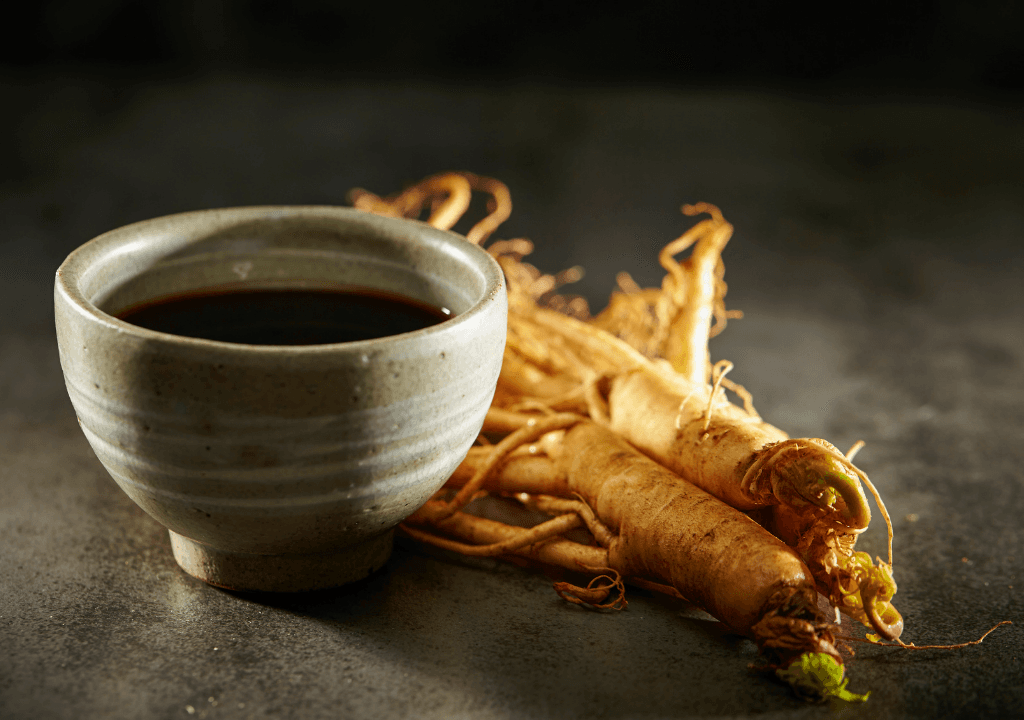
A red ginseng drink is a prepared beverage containing an ingredient derived from red ginseng, a processed form of Panax ginseng. It may offer a distinctive herbal flavour, sometimes blended with fruit. But a drink containing ginseng is not automatically proven to improve energy, immunity, concentration or blood sugar. Those are questions about evidence for the actual finished product, not just the reputation of an ingredient.
For anyone curious about trying a red ginseng drink, there are three useful things to understand: what red ginseng is, how the research should be interpreted and what the beverage label actually tells you.
What makes ginseng “red”?
Red ginseng is commonly produced by steaming and drying Panax ginseng roots. Processing changes the root's appearance and chemical profile. A 2024 review indexed in PubMed explains the differences between red and white ginseng preparation and describes the plant compounds researchers study.

Ginsenosides are among the compounds often discussed in ginseng research. Their presence helps explain why the ingredient interests scientists, but they are not a promise that every packaged drink will produce a measurable clinical benefit.
The word “Korean” is also worth reading carefully. A product name or general story about Korean ginseng should not be treated as verified proof of where a specific retail beverage's ginseng was grown. Origin, botanical species, ingredient form and any quantified extract content should be checked against the actual product's approved information.
What does research say about the popular benefits?
Many headlines compress research on ginseng extracts, herbal formulations and supplements into a single promise about ready-to-drink beverages. That is a significant leap. Studies may involve different doses, people and formulations from anything sold as a fruit-flavoured ginseng drink.
The U.S. National Center for Complementary and Integrative Health (NCCIH) reviews human evidence for Asian ginseng and highlights both possible effects and uncertainties. The NIH Office of Dietary Supplements similarly describes limitations in claims about immunity and the potential for interactions with medicines.

Common claim | What the published evidence can support | What it does not establish |
|---|---|---|
“Boosts energy and ends fatigue” | Some studies of Asian ginseng preparations report small or mixed effects on fatigue | That a particular drink improves stamina or replaces rest |
“Improves focus and memory” | Limited research has examined aspects of cognition in selected groups | Better concentration from any branded pouch or bottle |
“Strengthens immunity” | Some trials have examined respiratory-infection outcomes, with limitations | Guaranteed infection prevention or a clinically meaningful effect from a drink |
“Balances blood sugar” | Research in people with diabetes or prediabetes is mixed and context-dependent | That a sweetened beverage treats diabetes or is safe to use instead of care |
This is a claim-reading guide, not a clinical rating of VINUT TRUST products. The important distinction is between a research finding about a defined preparation and a statement about the beverage someone may buy.
What should you check on a red ginseng drink label?
A label is more useful than a long list of vague wellness claims. Start with the exact pack in front of you.
Check the ingredient statement. Look for the type of ginseng ingredient, fruit components and other ingredients. Do not assume that all ginseng drinks contain honey, that every brand uses the same extract or that a fruit flavour means the product is only fruit juice.
Read the serving information. Compare the actual serving and full package, especially when drinks are sold in small pouches. If the label displays ginseng content, check its units and whether the amount refers to extract, whole root or another ingredient.
Look at sugars and any added nutrients. A fruit-flavoured ginseng beverage can contain sweeteners or other ingredients. The FDA's Nutrition Facts guide explains how U.S. labels distinguish total sugars from added sugars and why nutrition values refer to a stated serving. Other markets have different label requirements.
Follow storage and use instructions. Whether a product should be shaken or chilled, and how it should be kept after opening, should come from its own packaging. Do not copy a shelf-life figure or a preparation direction from a different flavour or brand.
When might ginseng require extra care?
A bottled drink is convenient, but convenience does not make a botanical ingredient suitable for everyone. NCCIH notes that Asian ginseng may disturb sleep and may interact with medicines. Its guidance flags particular concerns for people managing blood glucose and for those who are pregnant or breastfeeding.
People taking medicines, especially for blood glucose or conditions where interactions matter, should ask a qualified healthcare professional about ginseng products before use. Parents should not assume a botanical drink is suitable for children merely because it is sweet or fruit-flavoured. Ginseng drinks should not be presented as treatment for fatigue, illness or poor concentration.
This advice is a reason to check individual circumstances, not a suggestion that all products or amounts carry the same risk.
Exploring the VINUT TRUST range
An older VINUT TRUST Red Ginseng Drink collection lists fruit-flavoured 150 ml drink entries, including apple, lychee, orange, peach, red grape with blueberry and strawberry. The public listing illustrates how a botanical flavour can be paired with fruit, but it is not proof of current stock, recipe or nutritional equivalence across those products.
The six images below are retained from the original article's product-gallery section.


For example, a peach-flavoured red ginseng drink listing may help you identify a specific product name and format. Check the current approved label, ingredients and availability rather than relying on every health claim in an older catalogue description. The images should not be used as evidence of a formulation or certification.
Choosing a drink for its actual qualities
A considered choice starts with taste, format, ingredients and trustworthy information. A fruit-flavoured ginseng drink may appeal to someone who enjoys a slightly herbal flavour in a ready-to-serve format. That is a legitimate reason to explore it, without turning a pleasurable drink into a medical promise.
If a claim about an extract amount, country of origin, certification or intended market matters to you, request the relevant product-specific document through the VINUT TRUST contact page. Do not rely on an old article's phone numbers or general corporate claims.
The takeaway: Red ginseng has an interesting traditional history and an active research literature. Neither establishes that every packaged ginseng beverage boosts immunity, energy or focus. The best next step is to read the current label and choose a drink based on its real ingredients and the experience you want—not a benefit that has not been demonstrated for that product.
QUESTIONS & ANSWERS
Frequently asked questions
Does a red ginseng drink automatically increase energy or concentration?
No. Research on specific ginseng supplements and extracts does not prove that a particular ready-to-drink beverage improves energy, stamina or concentration.
Is red ginseng the same as ordinary white ginseng?
Both can come from Panax ginseng, but red ginseng is traditionally steam-processed, while white ginseng is generally dried without that steaming step.
Are red ginseng drinks always free from added sugar?
No. Ingredients and sugar content vary by formulation. Read the complete ingredient statement and the nutrition information for the exact finished product.
Who should ask for medical advice before consuming ginseng products?
People taking medication, especially for blood glucose or other interacting conditions, and people who are pregnant or breastfeeding should seek individual professional advice. Children should not be assumed to be suitable users.
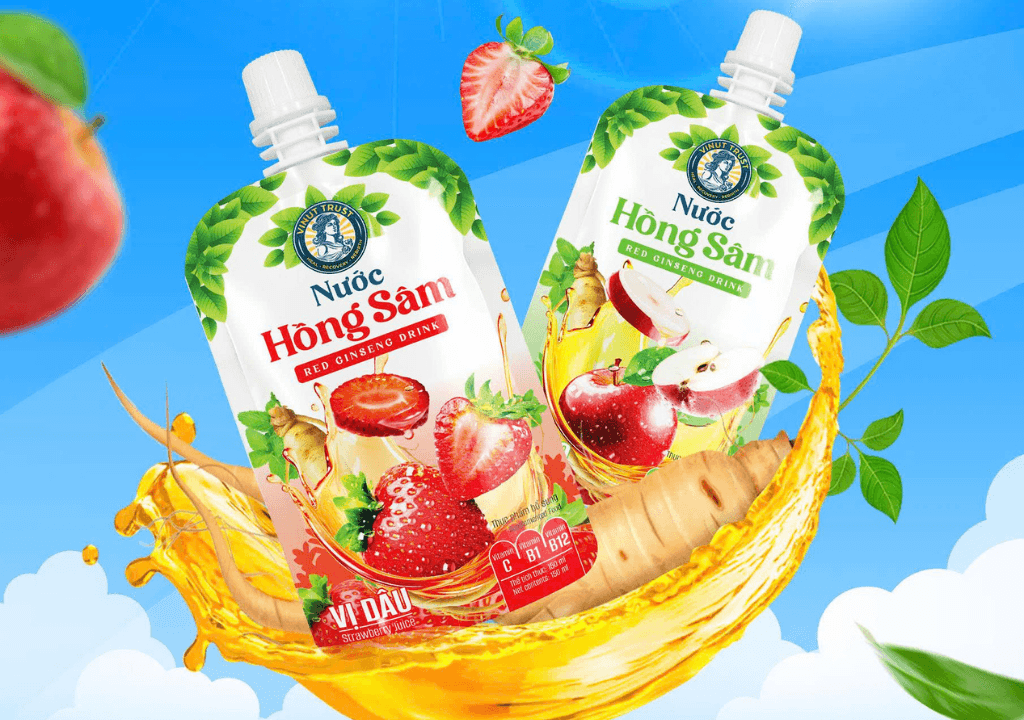
Red Ginseng Drink – The Daily Habit of People Who Prioritize Wellness
Discover the natural, convenient way to stay energized with red ginseng drink from Vinut Trust. Made for wellness-focused lifestyles.
Read Story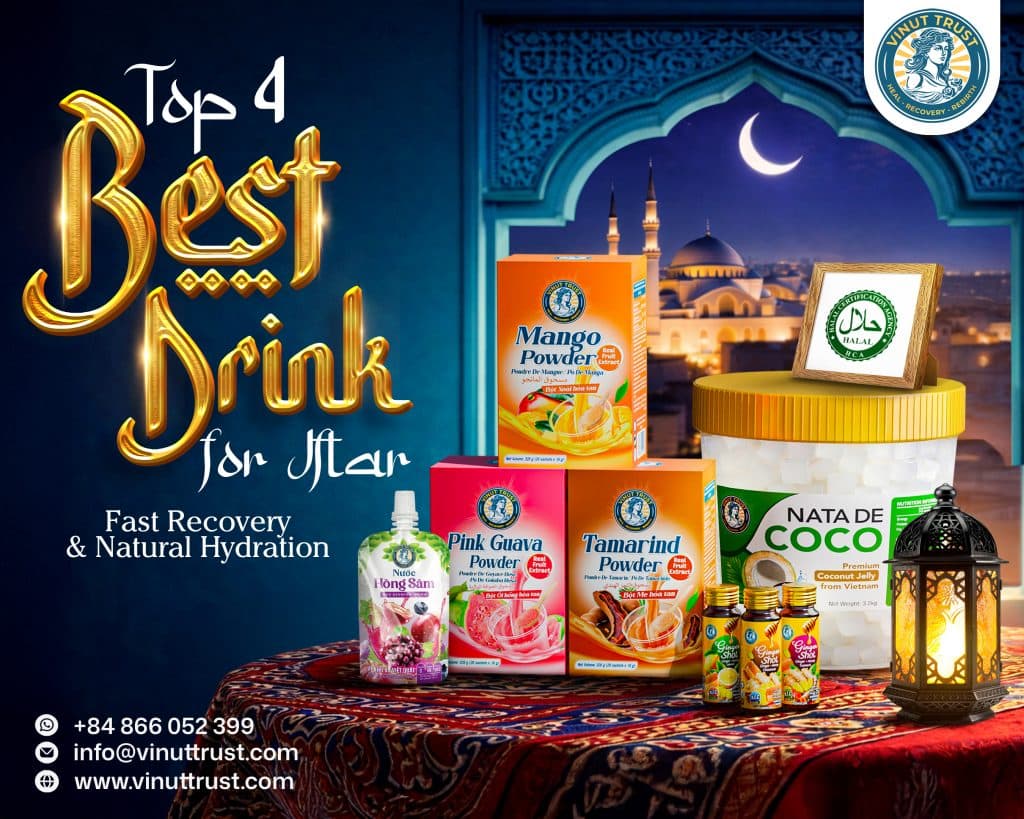
TOP 4 BEST DRINKS FOR IFTAR: FAST RECOVERY & HYDRATION | VINUT TRUST
Read Story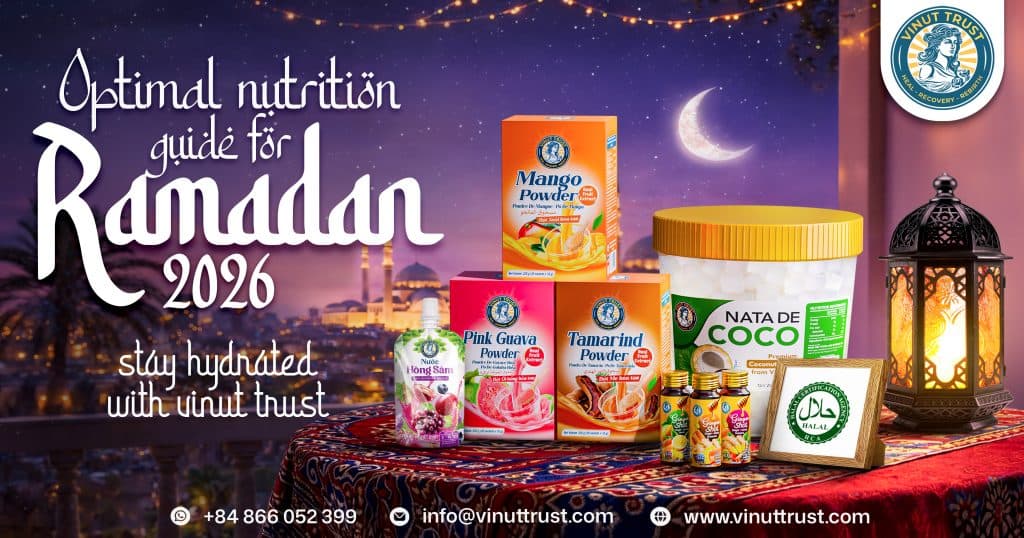
Best Drinks for Iftar and Suhoor: A Practical Ramadan Hydration Guide
A reader-first guide to drinking between iftar and suhoor: start with water, compare common beverages, read labels and know when medical advice matters.
Read Story