
Four Iftar Drinks Compared: What to Choose and Why
Compare water, milk or unsweetened alternatives, fruit drinks and caffeine-free infusions at iftar, with practical label-reading tips and no exaggerated recovery claims.
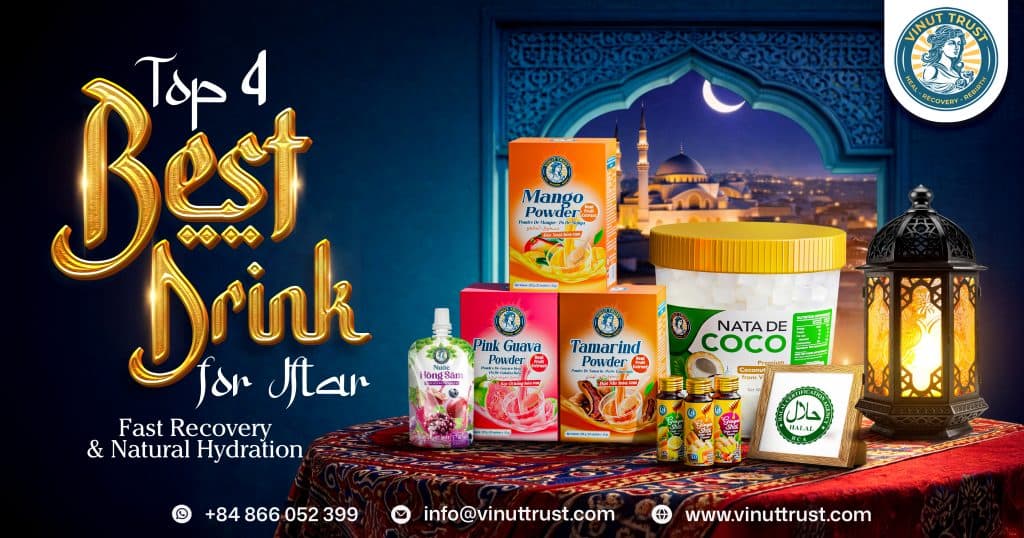
There is no single “fast recovery” drink that everyone needs at iftar. Plain water is often the simplest way to begin drinking after the day's fast. Milk, suitable alternatives, fruit drinks and caffeine-free infusions can also have a place at the evening table, depending on taste, food choices and individual health needs.
This guide compares four familiar beverage categories by what they offer and what to check, rather than treating a product as a cure for dehydration or low blood sugar. It is deliberately a drink-choice comparison, not a complete Ramadan meal plan or a medical guide.
1. Water: the straightforward first choice
Water adds fluid without added sugar, caffeine or a complicated ingredient list. After a long fast, enjoying water at a comfortable pace is a practical starting point. You can drink again during the non-fasting hours rather than trying to make up for a whole day in one sitting.
The World Health Organization's Ramadan nutrition advice recommends adequate water alongside water-containing foods such as soup, vegetables and fruit. It also encourages moderation with sweet beverages and salty foods.
When to choose it: When you want something simple with your first meal, or alongside other drinks whose sugar content you are watching. If you have been told to restrict fluids for a medical reason, your own healthcare plan takes priority over general advice.
2. Milk and appropriate unsweetened alternatives: a drink alongside food
Milk may be enjoyed at iftar or as part of a later meal. It is not the same product as plain water, because it contains other nutrients and, depending on the type, different amounts of fat and carbohydrate. An unsweetened fortified soy drink or another suitable alternative may be an option for people who prefer it, but the nutrients and allergen profiles vary.
The NHS guidance on water, drinks and hydration includes lower-fat milk and unsweetened plant-based alternatives among everyday drink choices. It also recommends reading labels and considering added sugars.
When to choose it: As one beverage with a meal when it suits your dietary preferences and you tolerate the ingredients. Check for milk or soy allergens as appropriate. A cereal drink mix is not automatically equivalent to milk or an unsweetened plant drink.
3. Fruit juice and fruit-flavoured drinks: enjoy with attention to the label
A small glass of juice can be part of a meal for someone who enjoys it. But 100% fruit juice, a juice drink and an instant fruit-flavoured powder are not interchangeable. They can differ substantially in ingredients, preparation and sugars.
The WHO Ramadan guidance recommends limiting sugary beverages. The NHS drink guidance suggests limiting fruit juice and smoothies to a small serving, rather than using them as the main source of fluid.
When to choose it: When you want a fruit flavour alongside a balanced meal and can consider the serving size and sugars. VINUT TRUST's Fruit Powders collection contains fruit-flavoured products, but this general article does not verify their fruit percentages, nutritional claims or mixing ratios. The approved pack determines those details.
Do not assume a fruit mix supplies an instant vitamin-C boost, clinically treats low blood sugar or is an oral rehydration solution. If you have a medical condition that changes how you should manage glucose, seek individual guidance.
4. Caffeine-free infusions: a flavourful alternative
A caffeine-free herbal infusion can be enjoyable after iftar for people who want a warm, lightly flavoured drink. It is a choice of taste and occasion, not a medical remedy. Check what is actually in a packaged infusion or blend, particularly if you are pregnant, take medication or have an allergy.
Tea and coffee also contribute to fluid intake, as the NHS notes, but caffeine sensitivity varies. A very strong caffeinated drink late in the evening may not fit everyone's sleep routine, and a person who avoids caffeine can choose water or a suitable non-caffeinated option.
When to choose it: When you want another flavour without relying on a sweetened soft drink. No herbal drink should be presented as a universal treatment for fatigue, digestion problems or fasting-related illness.
Which choice fits your iftar?
Drink | Main reason someone may choose it | What to check |
|---|---|---|
Plain water | Simple first drink and regular fluid option | Personal fluid restrictions, if any |
Milk or unsweetened alternative | A beverage alongside food | Allergens, ingredient and nutrition label |
Fruit juice or prepared fruit drink | Fruit flavour with a meal | Juice type, sugars, serving size and preparation |
Caffeine-free infusion | Warm or flavoured alternative | Ingredients, added sugars and suitability |
The table is not a ranking of medical effectiveness. A well-balanced iftar may include water, a meal and a favourite beverage without needing all four categories. Soup and water-rich foods contribute fluid too, as the British Nutrition Foundation's Ramadan guide explains.
Three label questions that matter more than “fast recovery”
What is the drink actually made from? Names such as “fruit”, “herbal” or “cereal” describe a flavour or category, not all its ingredients. Ask whether the product is ready to drink, a concentrate or a powder that needs preparation.
How much sugar is in the serving? Compare values using the serving size shown on the pack. A product labelled no added sugar can still have naturally occurring sugars, and its meaning is not identical to sugar free.
Are any special claims supported? Terms such as “immune-boosting”, “electrolyte recovery”, “Halal-certified” or “suitable for all ages” require product-specific evidence. No brand philosophy or one ingredient establishes a clinical benefit or a valid certification for every product.
If you enjoy prepared mixes, VINUT TRUST also lists Cereal Drinks. These should be chosen by their actual preparation instructions, ingredient and allergen labels—not as substitutes for medical treatment or a complete meal.


When beverage advice is not enough
Some symptoms need more than a different menu choice. The NHS dehydration guide identifies persistent dizziness, very little urination and fast heart rate as reasons for prompt assessment, while confusion or difficulty breathing can require emergency care. Do not wait for a particular drink or the next meal if someone may be seriously unwell.
People with diabetes should discuss Ramadan fasting and glucose management with their care team beforehand, as Diabetes UK recommends. A sweet drink is not a universal answer to suspected hypoglycaemia; an individual's treatment plan is essential.
The takeaway: Begin with water if it suits your needs, then choose other iftar drinks for their taste and role alongside food. Read the actual label, avoid treating branded beverages as medical recovery products and seek appropriate care when warning signs occur.
QUESTIONS & ANSWERS
Frequently asked questions
What is the simplest drink to start iftar with?
Plain water is a straightforward choice for many people. Enjoy it at a comfortable pace and continue drinking during non-fasting hours, according to personal health needs.
Are fruit powders or juices better than water after fasting?
Not automatically. A fruit drink may offer flavour, but formulation, sugars and serving size vary. It should not be described as a universal treatment for dehydration or low blood sugar.
Can milk and caffeine-free tea count towards fluid intake?
Yes, many beverages contribute to fluid intake. Consider allergies, caffeine, added sugars and any individual medical advice when choosing a drink.
Can an energy, ginseng or herbal drink guarantee fast recovery at iftar?
No. Clinical recovery claims require specific evidence for the finished product. Serious dehydration or glucose concerns need appropriate medical assessment, not a promotional beverage claim.
TOP 4 BEST DRINKS FOR IFTAR: FAST RECOVERY & HYDRATION | VINUT TRUST
Read Story
Best Drinks for Iftar and Suhoor: A Practical Ramadan Hydration Guide
A reader-first guide to drinking between iftar and suhoor: start with water, compare common beverages, read labels and know when medical advice matters.
Read Story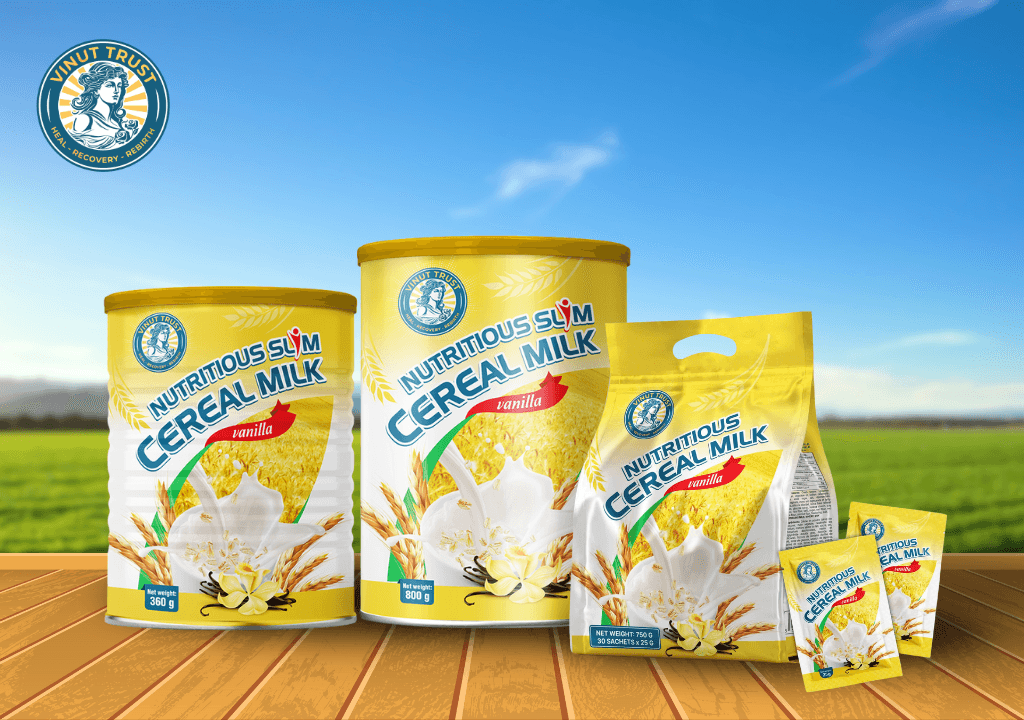
Cereal Milk Drinks: Seven Facts About Nutrition and Everyday Use
Explore seven practical things to check when choosing cereal milk, from the grain ingredients and protein to added sugar, allergens and serving directions.
Read Story