
Best Drinks for Iftar and Suhoor: A Practical Ramadan Hydration Guide
A reader-first guide to drinking between iftar and suhoor: start with water, compare common beverages, read labels and know when medical advice matters.
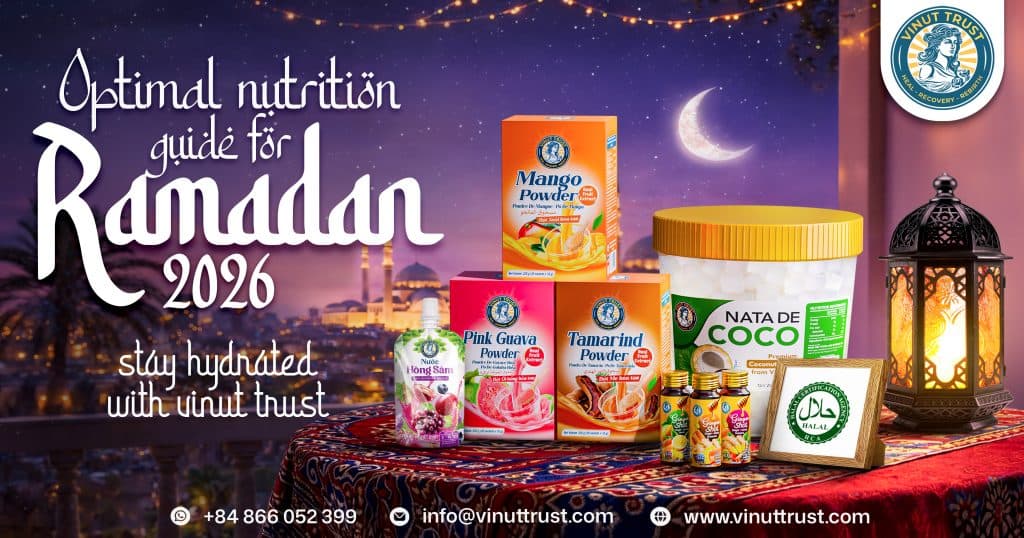
Water is usually the simplest first drink at iftar. After a day of fasting, begin with water, enjoy a modest meal and continue drinking at intervals until suhoor. A fruit drink, soup or other favourite beverage can have a place at the table, but none should be presented as an instant treatment for dehydration, low blood sugar or fatigue.
The practical question is not which branded drink promises the fastest “recovery”. It is how to make drinking and eating manageable between sunset and dawn. The World Health Organization's Ramadan guidance recommends water, water-rich foods, a balanced suhoor and moderation with sugary drinks. The approach below turns those principles into everyday choices.
What is a sensible first drink at iftar?
Start with a glass of plain water. If it suits your tradition, accompany it with dates and then take time before a larger meal. Warm soup is another practical option because it adds fluid and can be served alongside food. The World Health Organization also recommends dates, water-rich foods and balanced meals around fasting. The NHS hydration guide notes that water and other drinks can contribute to fluid intake, while sugar content and individual needs deserve attention.
There is no need to race through several large drinks at once. Choose a comfortable pace and keep water available during the evening. Water-rich foods such as cucumber, tomato and watermelon can complement fluids, but they need not replace drinking water.
Sweetened juice drinks, fizzy drinks and flavoured mixes can be enjoyed in moderation if they fit the person's diet. They are not automatically better at replacing fluids than water, and their sugar content may be relevant. If you are managing diabetes or another medical condition, follow your own clinician's plan rather than a general article.
A simple drinking routine between iftar and suhoor
Fasting hours, heat, physical activity and personal health needs vary. Instead of treating a fixed number of glasses as suitable for everyone, use this flexible sequence as a reminder to spread drinks across the hours when drinking is permitted.
Occasion | A practical choice | What to remember |
|---|---|---|
At iftar | Water, with dates or a light starter if desired | Begin gently rather than relying on a sweet “energy” drink |
With the evening meal | Water or a light soup | Enjoy a balanced meal and moderate salty, sugary foods |
Later in the evening | Water within easy reach | Sip regularly as preferred, especially after activity or in hot weather |
At suhoor | Water with a balanced pre-dawn meal | Do not expect one large drink to compensate for the whole day |
This is an example routine, not a medical fluid prescription. People who have been advised to restrict fluids, or who take medicines that affect fluid balance, need individual guidance. For others, the key habit is to remember drinking opportunities throughout the non-fasting window, not just at the first meal.
Which drinks are worth considering?
A useful comparison looks at the role of each drink, not its advertising language.
Drink or ingredient | How it may fit the occasion | Check before choosing |
|---|---|---|
Plain water | The straightforward choice at iftar, later in the evening and at suhoor | Personal fluid guidance, where relevant |
Soup | A warming addition to a meal that also provides fluid | Salt level and serving ingredients |
Unsweetened milk or suitable alternatives | A beverage alongside food for people who enjoy and tolerate it | Allergens, sugars and the specific nutrition label |
Fruit-flavoured drinks or mixes | An occasional flavour choice with a meal | Preparation directions, portion size and added sugar |
Drinks with nata de coco | A way to add chewy texture to a beverage | The complete drink's ingredients and sugar, not just the topping |
VINUT TRUST's fruit powder collection offers flavour-led products to explore. When preparing any drink mix, follow its actual label and use the indicated amount of water. The presence of fruit flavour does not by itself establish vitamin content, medical benefits or suitability for people with diabetes.
Similarly, nata de coco products are best discussed here for their distinctive texture. A nata de coco topping should not be described as an electrolyte replacement or a treatment for dehydration without evidence for the finished product. The same principle applies to ginseng drinks and any other “recovery” beverage: an ingredient name is not proof of a clinical effect.
Make suhoor a meal, not a quick-fix drink
At suhoor, food and fluid work together as part of the routine. A meal might include whole grains, a protein source and vegetables or fruit, with water to drink. The WHO guidance encourages a light, balanced pre-dawn meal rather than skipping it. The NHS also offers examples such as oats or wholemeal bread with eggs or yoghurt.
If a cereal-based beverage appeals to you, you can browse VINUT TRUST's cereal drink collection, then check the specific label for ingredients, allergens, preparation and serving information. A cereal drink is not automatically equivalent to a balanced meal and cannot promise to prevent hunger or fatigue throughout the fast.
Coffee and tea are familiar parts of many evening routines. However, anyone who notices that caffeine disturbs sleep or makes it harder to maintain their preferred fluid routine may choose a decaffeinated option or water instead. The point is to make a choice that works for the person, not to attach a universal “good” or “bad” label to a beverage.
Read the label before trusting a hydration claim
Three quick checks help separate an enjoyable drink from an unsupported promise:
- What is in the finished drink? Look at the ingredient list, sugar information and instructions for preparing concentrates or powders.
- What does the statement actually promise? “Refreshing” describes an experience. “Prevents hypoglycaemia”, “immediately boosts immunity” or “restores stamina” makes a much stronger health claim that needs relevant product-specific evidence.
- Does the choice fit the person? A drink that suits one family member may not suit someone managing blood glucose, allergies, medications or a prescribed fluid limit.
For most readers, food variety, adequate drinking opportunities and the pleasure of sharing iftar are more useful themes than claims about instant physical recovery. Brand philosophy should never be presented as a medical outcome.
When to seek individual advice about fasting
This guide is for general food and beverage planning, not medical treatment. People with diabetes, kidney or heart conditions, pregnancy-related concerns, or regular medicines should discuss fasting with a qualified healthcare professional. Diabetes UK advises a healthcare review before fasting because risks and medication needs differ. Guy's and St Thomas' NHS cautions against changing medication schedules without professional advice.
If you become seriously unwell while fasting, seek prompt medical advice rather than trying to solve the problem with a commercial drink.
A thoughtful iftar does not require a miracle beverage. Start simply with water, make room for a balanced meal and choose any additional drink for its taste, ingredients and personal suitability. The shared ritual matters more than extravagant promises.
QUESTIONS & ANSWERS
Frequently asked questions
Is a fruit powder drink a substitute for water at iftar?
No. Plain water is the straightforward first choice. A prepared fruit-flavoured drink may be enjoyed separately, but check its label and sugar content, and do not treat it as a medical rehydration product.
Does nata de coco replace electrolytes after fasting?
There is no basis to assume a nata de coco topping replaces electrolytes or treats dehydration. Evaluate the finished drink's ingredients and use water as the usual first drink at iftar.
Should someone with diabetes follow a general Ramadan drinks guide?
Not instead of individual medical advice. Diabetes UK recommends speaking with the healthcare team before fasting, including reviewing blood glucose risks and any medicines.
Can coffee or tea be part of the non-fasting evening?
They may be part of an individual's routine, but consider caffeine tolerance, sleep and personal health advice. Keep water available and avoid treating caffeinated drinks as a replacement for a considered hydration routine.
TOP 4 BEST DRINKS FOR IFTAR: FAST RECOVERY & HYDRATION | VINUT TRUST
Read Story
Four Iftar Drinks Compared: What to Choose and Why
Compare water, milk or unsweetened alternatives, fruit drinks and caffeine-free infusions at iftar, with practical label-reading tips and no exaggerated recovery claims.
Read Story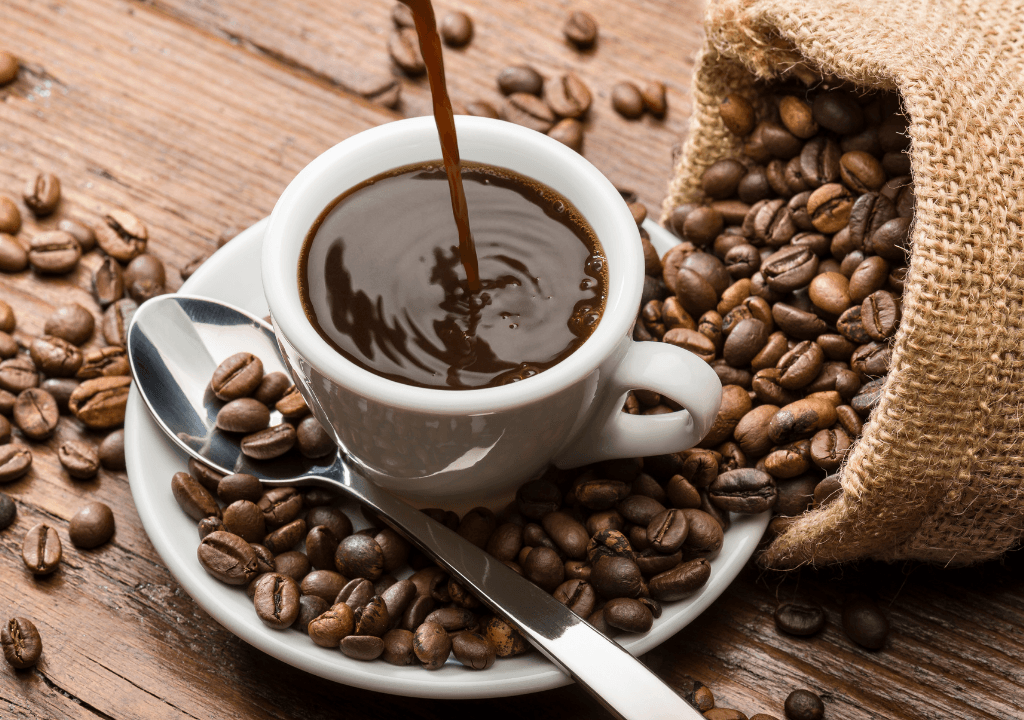
What Happens When You Drink Instant Coffee Every Day? A Practical Guide
Daily instant coffee can affect alertness, sleep and comfort. Learn how caffeine, serving size and added ingredients shape the experience, with FDA and EFSA guidance.
Read Story