
Quick answer
Learn what Suhoor means, when the pre-dawn Ramadan meal ends, how to build a balanced plate and three simple meal ideas.
Learn what Suhoor means, when the pre-dawn Ramadan meal ends, how to build a balanced plate and three simple meal ideas.
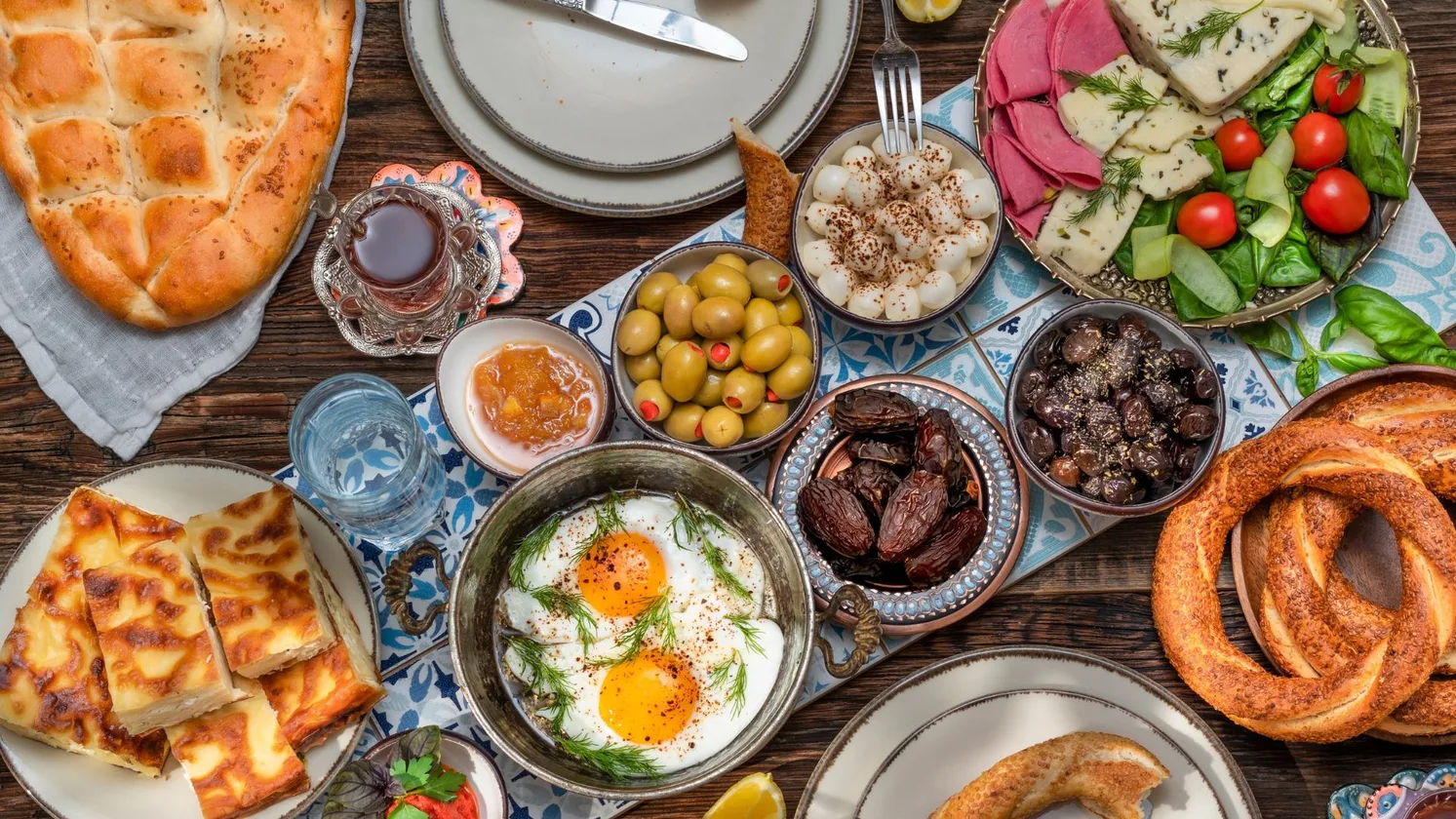
Learn what Suhoor means, when the pre-dawn Ramadan meal ends, how to build a balanced plate and three simple meal ideas.
Suhoor is the pre-dawn meal eaten before the daytime fast begins during Ramadan. It is also called suhur, sahur or sehri in different communities. Suhoor is distinct from iftar, the meal that breaks the fast after sunset. Families prepare it in different ways, so there is no single dish that defines the tradition.
For someone exploring Suhoor, three questions are especially useful: When should the meal finish? What makes it balanced? How can it be prepared without rushing? The answers can help you plan without promising that a particular food will prevent hunger or thirst all day.

Suhoor takes place in the final part of the night before dawn and the beginning of the fast associated with Fajr. The exact clock time depends on your location and the date, so a timetable for a different country is not a reliable guide.
Islamic Relief UK's Suhoor explainer, reviewed by a qualified scholar in January 2026, describes its meaning and timing. Consult a trusted local timetable or community guidance for the specific day's cutoff. Do not confuse Fajr with sunrise or assume Suhoor ends at the same hour everywhere.
Although Suhoor is sometimes compared with breakfast, it is tied to a specific religious practice. The meal's cultural and spiritual significance should not be reduced to a nutrition trend.

A practical starting point is a high-fibre starchy food, a protein source, some fruit or vegetables and suitable fluids. The British Nutrition Foundation's Ramadan food guidance suggests oats, wholegrains, yoghurt and water-containing foods. The Saudi Ministry of Health also recommends balanced meals and limiting salty foods that may increase thirst.
| Part of the meal | Examples | What to consider |
|---|---|---|
| Starchy foods | Oats, wholegrain bread, brown rice, couscous | Choose a suitable fibre-containing option |
| Protein | Eggs, beans, lentils, yoghurt or an appropriate alternative | Include a food you enjoy and tolerate |
| Fruit or vegetables | Cucumber, tomato, banana, berries or seasonal produce | Add variety and fluid-containing foods |
| Drinks | Plain water, with other suitable unsweetened drinks if preferred | Follow your personal health guidance |
These are food groups, not a medical prescription or universal portion plan. Individual needs, food access, allergies and cultural traditions all matter. For some people, medical advice will change which foods or amounts are appropriate.

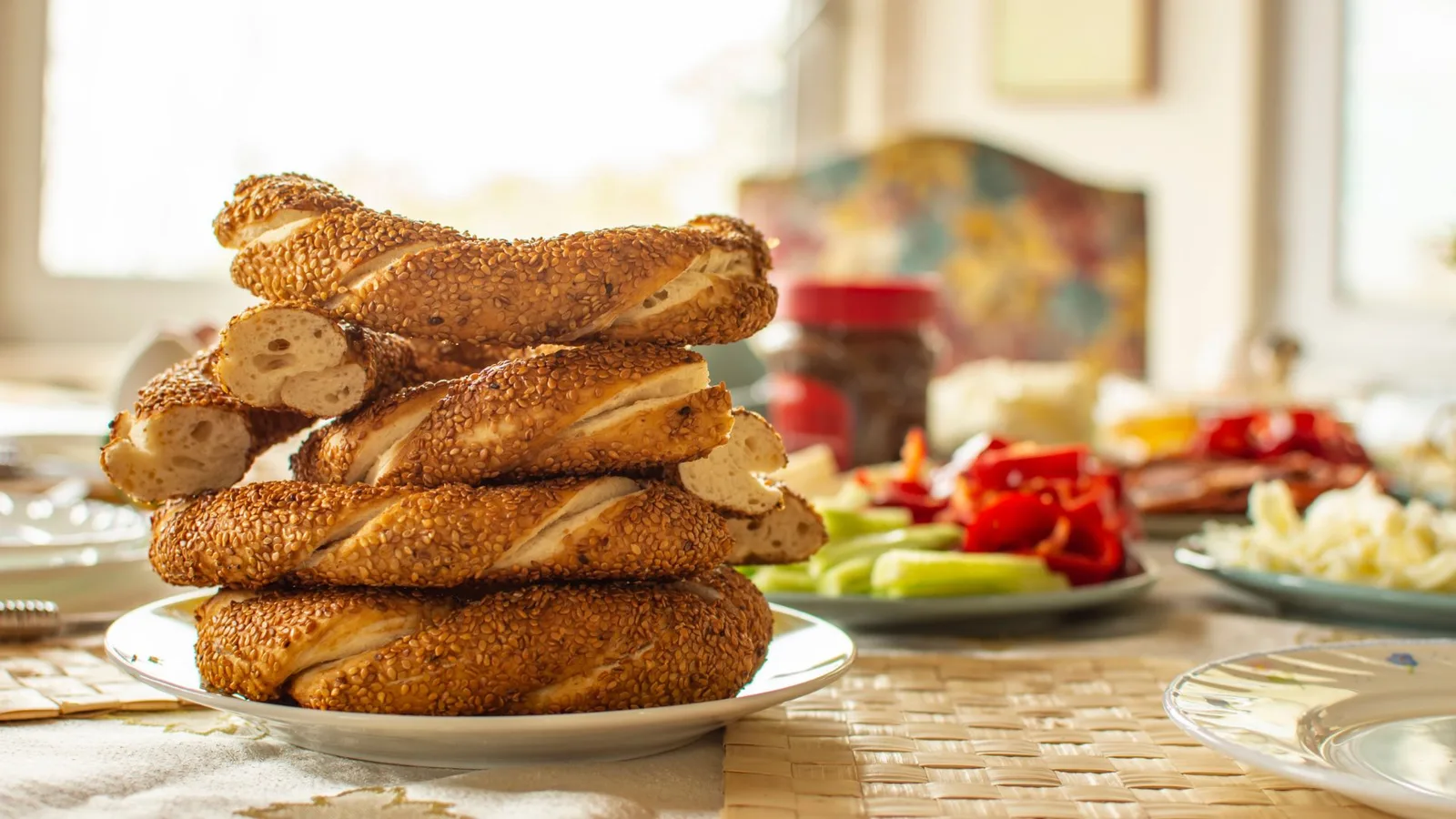
A pre-dawn meal can be practical without requiring a complicated recipe.
Oats, yoghurt and fruit. Prepare oats according to the instructions and serve them with plain yoghurt and a fruit you enjoy. Check packaged cereals and flavoured yoghurt for added sugar and allergens. Milk or a suitable alternative can be chosen according to your own dietary needs.
Eggs, wholegrain toast and vegetables. An egg preparation with wholegrain bread and cucumber or tomato is one savoury option. Keep very salty sauces and sides moderate, particularly if they make you thirsty.
Lentils or beans with rice or flatbread. A familiar pulse dish can be paired with a grain and vegetables. Season it to taste without assuming that extra salt or a strong supplement improves fasting endurance.
These are illustrative combinations, not guaranteed energy formulas. They can be adapted to household preferences and local foods. The British Heart Foundation's Ramadan advice likewise discusses wholegrain carbohydrates, fruit, vegetables and protein as useful meal components.

The meal often takes place when people have just woken up. Simple preparation may help more than an elaborate menu.
The Saudi Ministry of Health's Suhoor advice recommends limiting high-sodium foods and distributing fluids during permitted hours. A fixed number of glasses is not appropriate advice for everyone, particularly people with prescribed fluid restrictions.
A packaged drink may be part of a person's food routine, but it is not automatically nutritionally equivalent to a balanced Suhoor meal. Ingredients, sugars, caffeine, allergens and preparation vary from product to product. Water remains a straightforward beverage alongside food.
VINUT TRUST has Cereal Drinks and Fruit Powders on its website. These are optional product categories to explore by flavour and format. They are not established treatments for dehydration, blood-glucose problems or fatigue, and their exact nutrition must be checked against the current pack.
For people living with diabetes, the Diabetes UK Ramadan guidance recommends speaking with the diabetes team before fasting, including medicines and individual risk. People who are pregnant, unwell, taking particular medicines or following medical dietary restrictions also need appropriate personalised advice rather than a generic meal formula.
Before dawn, ask yourself: Do I have the correct local time? Does my meal include suitable food groups? Have I had an opportunity to drink during permitted hours? Am I following the medical or dietary guidance relevant to me?
The purpose of the checklist is to make the meal easier to plan, not to turn a religious observance into a performance test. Suhoor traditions differ, and people have different circumstances. A balanced, manageable meal can be built from familiar foods without relying on exaggerated product claims.
In short: Suhoor is the meal before dawn, distinct from iftar after sunset. Check local timing, choose a varied meal that suits your needs and regard branded beverages as optional choices rather than guaranteed fasting solutions.
QUESTIONS & ANSWERS
Suhoor is the pre-dawn meal eaten before the daytime Ramadan fast begins. The name may also be spelled suhur, sahur or sehri.
No. Suhoor takes place before the fast begins at dawn, associated with Fajr, rather than waiting until sunrise. Use a trusted local timetable for the correct time.
Examples include oats with yoghurt and fruit, eggs with wholegrain bread and vegetables, or beans and rice. Choose an appropriate balance for your own circumstances.
Not automatically. Packaged drinks vary in their ingredients and nutrition. They should not be presumed nutritionally equivalent to a balanced meal or a medical fasting solution.