
Ginger, Honey and Turmeric: A Drink and Flavour Guide
Learn what ginger, honey and turmeric contribute to a drink, how to check labels and curcumin claims, and how to compare VINUT TRUST 30 mL and 50 mL options.
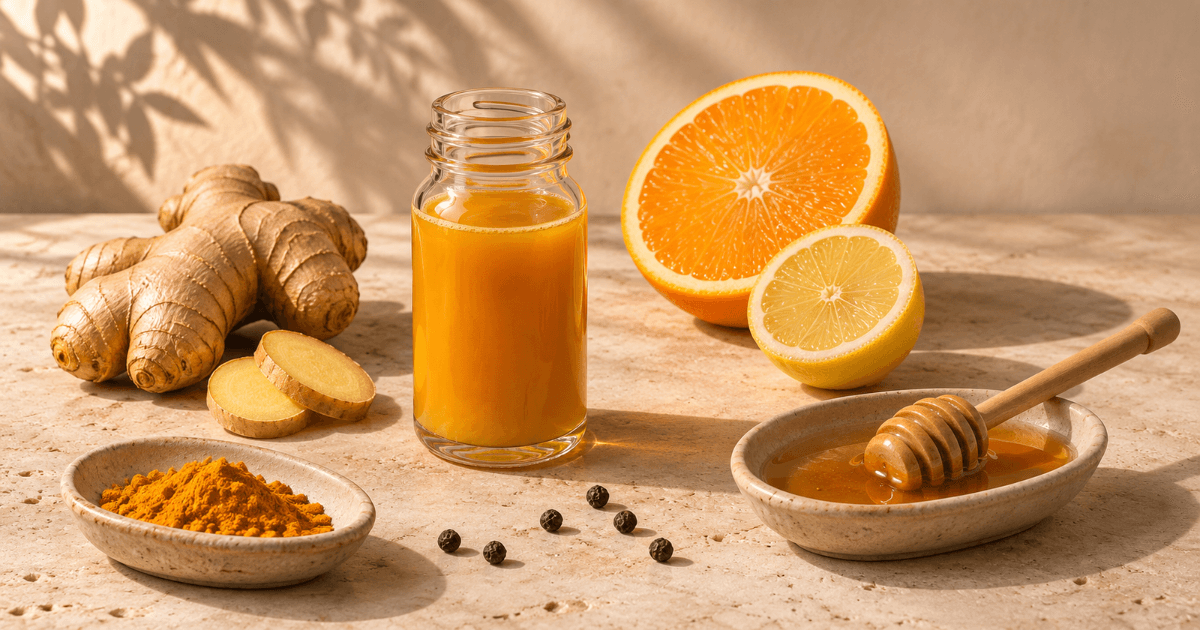
Ginger, honey and turmeric make an interesting drink combination because they play different roles: ginger brings a pronounced spicy character, honey adds sweetness, and turmeric contributes its own earthy character and colour. Together they can create a layered flavour, but the exact taste depends on the recipe. The ingredient names alone do not reveal a drink's sweetness, intensity or nutritional profile.
If you are considering a ready-to-drink version, begin with the flavour you want, then check the product's ingredients, nutrition information and bottle size. Here is a practical way to explore the combination without confusing an ingredient with a medical promise.
What does each ingredient bring to the combination?
In a mixed drink, ingredients interact. Ginger's pungency can be more noticeable in a less-sweet blend, while honey can soften the overall impression. Turmeric adds another flavour dimension, and the rest of the formulation may change how each element comes through.
Ingredient | What to expect in general | What to check in a bottled drink |
|---|---|---|
Ginger | A distinctive pungent, warming sensation | Whether the product lists ginger juice, another ginger ingredient, or a blend |
Honey | Sweetness that can balance ginger's sharpness | Where honey appears in the ingredient list and the sugars shown on the nutrition panel |
Turmeric | Earthy notes and characteristic yellow-orange pigments | The stated ingredient form, such as turmeric juice, rather than assuming an extract or a curcumin dose |

How does turmeric affect flavour and colour?
Turmeric is familiar for its yellow-orange appearance and earthy flavour in food. Its colour comes partly from a group of compounds called curcuminoids, including curcumin. That is useful ingredient knowledge, but visual appearance is an unreliable way to estimate how much turmeric or curcumin a finished drink contains.
If a flavour description sounds appealing, look for ingredient details and an actual product photograph. Do not treat a photograph as an analytical test. The most reliable evidence for a specific recipe comes from its approved product specification and label, not the shade of the drink.
Does turmeric in a drink tell you how much curcumin it contains?
No. Turmeric is a plant ingredient, whereas curcumin is one of the compounds found in turmeric. A label that says “turmeric juice” does not, by itself, state a measured amount of curcumin. The ingredient's form, formulation and analytical data would be needed to answer that question.
The US National Center for Complementary and Integrative Health discusses turmeric and curcumin research, including the differences among supplement preparations. Such research cannot be transferred automatically to an ordinary beverage. A study using a concentrated or specially formulated supplement does not demonstrate that a ginger, honey and turmeric drink produces the same result.
For a closer explanation of this distinction, compare turmeric as a food ingredient with the supplement concepts discussed by NCCIH. When shopping for a beverage, it is usually more useful to start with the declared ingredients and format than with an assumed curcumin strength.

What should you check on the label?
Begin with the exact flavour and bottle you intend to buy. Two products can share an ingredient name while differing in their complete recipes and nutrition information. Use this short sequence to make an informed comparison:
- Read the whole ingredient list. Check whether the label specifies ginger juice, turmeric juice, honey, lemon juice or other ingredients. Avoid guessing ingredient quantities from their names alone.
- Check the basis of the nutrition figures. Values may be presented per 100 mL, per serving or per container. Make sure you are comparing the same amount of beverage before comparing sugars or energy.
- Interpret sweetness from the numbers. Honey contributes sugars. Under the US FDA's Added Sugars guidance, sugars from honey used in a formulated product are included in added sugars. Other markets use their own rules and label formats.
- Check serving and storage directions. Follow the instructions for the specific pack, including any advice after opening.
- Separate marketing language from evidence. A highlighted ingredient or front-of-pack phrase is not a substitute for checking the finished product's information.

How do VINUT TRUST Honey Turmeric 30 mL and 50 mL compare?
The VINUT TRUST Ginger Shot collection lists Honey Turmeric in two sizes. The product pages describe a ready-to-drink ginger, honey and turmeric combination that also includes lemon. The 50 mL page describes it as the larger version of the 30 mL blend. The key initial difference for a shopper is the amount in the bottle, not an assumed change in health effect.
Option | What is confirmed on the product page | Practical choice |
|---|---|---|
Listed as a 30 mL ready-to-drink Ginger Shot with honey and turmeric | Consider this if you prefer a smaller individual portion | |
Listed as a 50 mL ready-to-drink version of the Honey Turmeric blend | Consider this if you prefer more of the beverage in one bottle |
Neither size is a recommended therapeutic amount. To compare nutrition on a per-bottle basis, first verify the approved nutrition figures and the unit used on the pack available in your market. A 50 mL bottle contains more liquid than a 30 mL bottle, but bottle size alone does not establish an ingredient's concentration or clinical effect.

Which Honey Turmeric option should you explore first?
Start with three preferences: do you enjoy ginger's pronounced bite, are you interested in an earthy turmeric note, and would you rather have a 30 mL or 50 mL bottle? Then use the individual product page to check the available details for your market.
Explore the Ginger Shot collection to compare Honey Turmeric with Honey Lemon and Honey Cinnamon. Each combination is an opportunity to find a flavour that suits you. The best choice is the one whose ingredients, format and label information match what you are looking for, not the one with the strongest-sounding benefit claim.
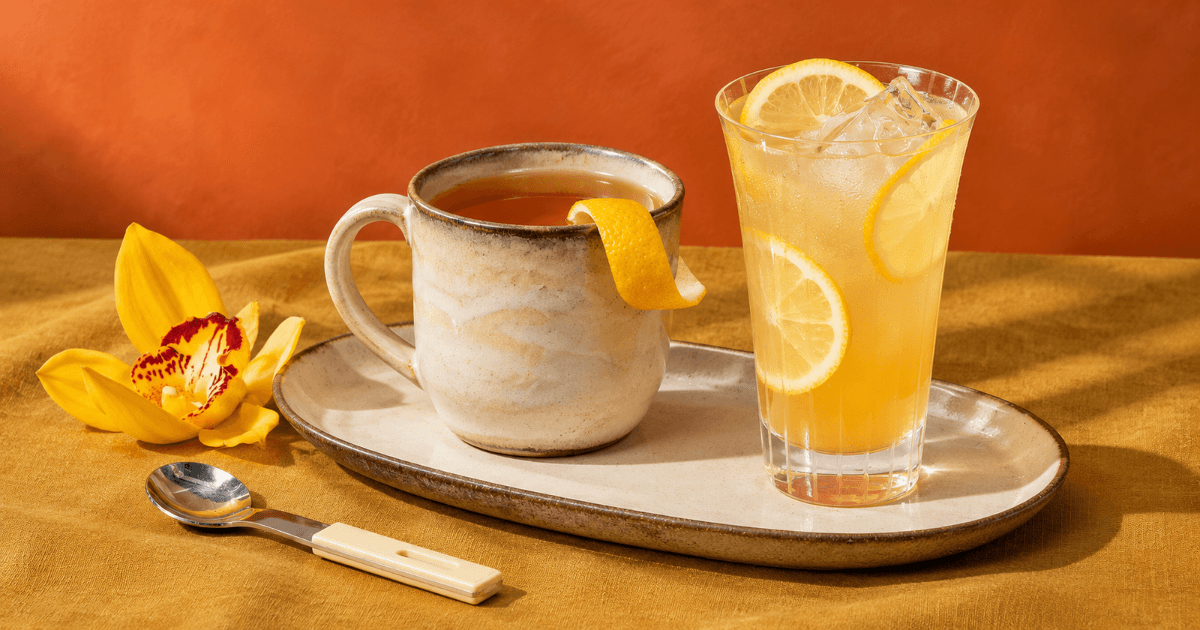
Lemon in Ginger Drinks: Flavour, Vitamin C and Label Facts
Lemon adds citrus character to ginger drinks, but cannot prove vitamin C content. Learn what a finished-drink label can and cannot tell you.
Read Story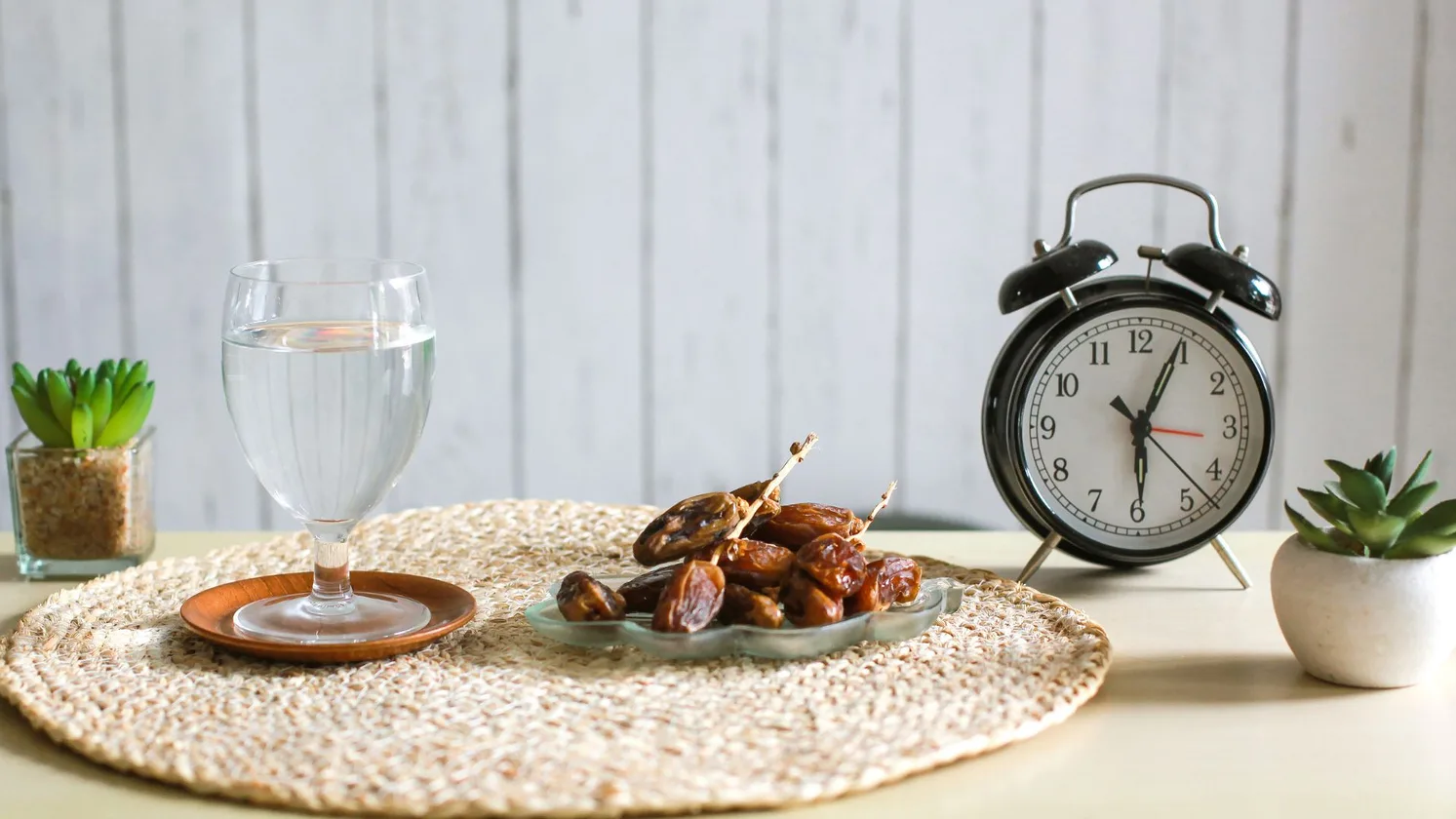
Can You Drink Water During Ramadan? When Can Muslims Eat?
Learn when Muslims can drink water and eat during Ramadan, including fasting hours from dawn to sunset and the roles of Suhoor and Iftar.
Read Story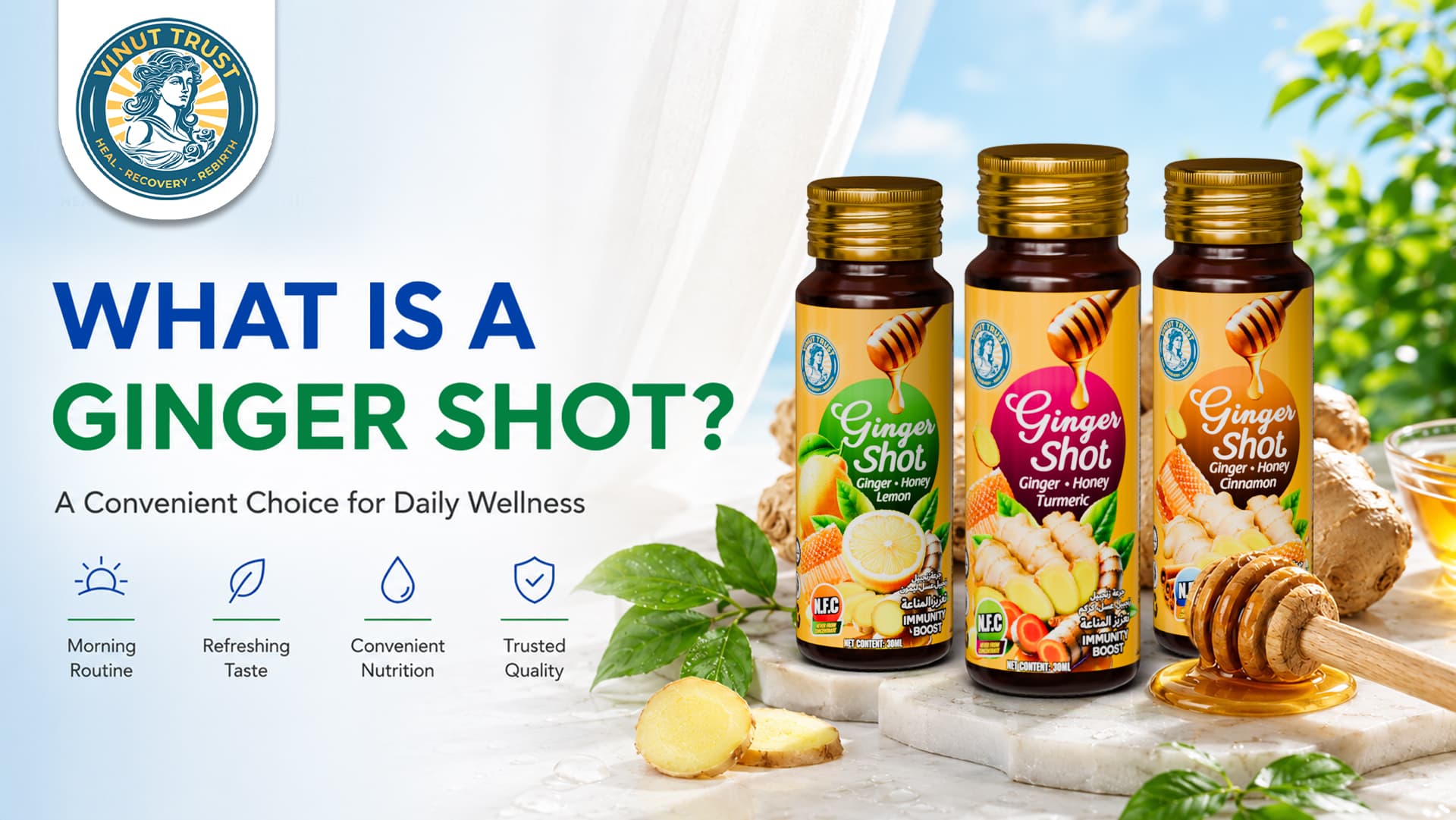
What Is a Ginger Shot? Taste, Labels and Everyday Use
What is a ginger shot? Learn about its small serving format, bold ginger flavour, common ingredients, label details and sensible ways to enjoy one.
Read Story