
Freeze-Dried Fruit Powder Explained: Uses, Labels and Drying Methods
Learn what freeze-dried fruit powder is, why it differs from spray-dried powders and instant drink mixes, and what to check before using it in drinks or food.
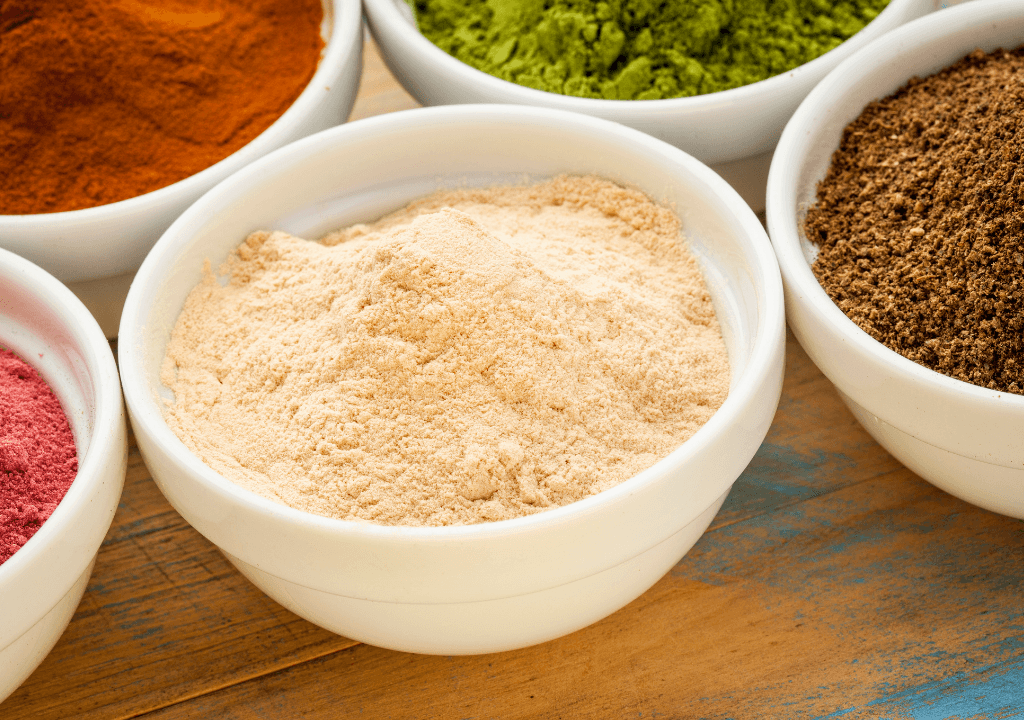
Freeze-dried fruit powder is a dehydrated fruit ingredient made by freezing suitable fruit material, removing ice under reduced pressure, and processing the dried material into particles. It is one of several types of fruit powder—not a synonym for every instant fruit drink mix. Its main appeal in the kitchen is the ability to add fruit flavour and colour in a dry format, but the nutritional profile and preparation method depend on the actual product.
If you are choosing a mango, guava or tamarind powder, the useful questions are: How was this powder made? What else is in it? What will it do in my recipe? Those questions offer a more reliable guide than blanket promises about vitamins, sustainability or “superfoods”.
What makes a powder freeze-dried?
In freeze-drying, the fruit material is frozen first. Under reduced pressure, ice can be removed mainly through sublimation, meaning a change from solid ice to water vapour without passing through the usual liquid stage. The resulting dried material can then be reduced to particles. Researchers use this method for certain fruits and fruit-derived ingredients because the processing conditions can help protect structure and some sensitive compounds.
That is distinct from spray-drying. In spray-drying, a liquid feed such as fruit juice or purée is dispersed into droplets and exposed to a drying gas so that moisture evaporates rapidly. Spray-drying may employ a carrier ingredient to support powder production. These are different manufacturing technologies, not two names for the same low-temperature process.
The peer-reviewed 2022 review of pre-processed fruit ingredients describes freeze-drying, spray-drying and foam-mat drying as different ways to produce fruit powders. A separate 2021 scientific review of drying methods discusses how process conditions influence the properties of dried food ingredients.

A product's title does not prove which technology was used. When the drying method matters to your purchase, look for precise manufacturer information or documentation instead of guessing from the powder's colour or from promotional photography.
Freeze-dried, spray-dried or instant drink mix: what is different?
The most useful distinction for a shopper is between process and finished formulation. A drying method tells you something about how an ingredient was prepared. A product label tells you what the final food contains.
Type | Typical starting material or format | What the name tells you | What still needs checking |
|---|---|---|---|
Freeze-dried fruit powder | Fruit or fruit material dried after freezing | The stated drying technique | Fruit percentage, other ingredients, nutrition and intended use |
Spray-dried fruit powder | A liquid fruit feed converted into powder | A different drying technique using droplets | Carriers, actual composition, flavour and reconstitution |
Instant fruit-flavoured drink powder | A blended powder intended to make a drink | How it is normally served | Fruit content, sugars, other ingredients and mixing ratio |
These descriptions are general examples, not specifications for any VINUT TRUST SKU. A powder can contain multiple ingredients regardless of the method used for one component. To compare actual options, the VINUT TRUST Fruit Powders collection is a place to explore available flavours, while each product's label should determine what can accurately be claimed.
Does freeze-drying preserve all the vitamins and taste?
Not necessarily. Research compares drying technologies because temperature, exposure time, oxygen, formulation and storage can change colour, structure, flavour compounds and nutrients. Freeze-drying may help retain some heat-sensitive compounds in certain studied materials, but it does not guarantee that every powder preserves every nutrient at the same level as fresh fruit.
The 2022 fruit-processing review explains that raw materials, processing settings and carrier selection influence fruit powder properties. The outcome of a research experiment should not be transferred unchanged to a different branded drink mix.
The practical implication is straightforward. If a pack claims “high in vitamin C”, “source of fibre” or “no added sugar”, look for evidence supporting that exact finished product and serving. Fruit flavour alone cannot validate a nutrient claim, and powder made from fruit is not automatically equivalent to eating the fresh fruit.
How can you use fruit powders at home?
Fruit powders can be useful when you want a flavour component that can be measured and kept in a pantry according to its storage directions. How well a powder dissolves or blends depends on its ingredients and particle properties. Not every fruit powder is intended to be mixed with a glass of water.
Drinks and smoothies. If the product is an instant drink mix, follow its stated powder-to-water ratio. A culinary fruit powder may be better used as a small ingredient in a smoothie rather than treated as an instant beverage.
Yoghurt and chilled desserts. A little mango- or guava-flavoured powder may offer a fruit note, but test a small portion first. Sweetness, acidity and thickness can change the outcome.
Baking. Some fruit powders are suitable for baked recipes, while others behave poorly when heated or alter the texture of batter. Use a recipe developed for the particular ingredient rather than assuming all powder types work alike.
Sauces and dressings. A tangy fruit powder may add a different flavour accent. Check whether the pack contains salt, sweeteners or other seasonings before adjusting the rest of the recipe.

For one current product example, see VINUT TRUST Mango Powder. Its exact preparation and other product information should come from the current approved pack, not from a general article about freeze-drying.
What should you check on the pack?
A useful kitchen choice is about the right product for the intended job, rather than the most impressive claim.
- Product description: Is it a culinary fruit ingredient, a mixed powder or an instant drink?
- Ingredient list: Does it contain only the named fruit or a combination of ingredients? Do not infer “100% fruit” from the flavour name.
- Nutrition and serving: What do the actual label's serving, sugar and nutrient values say?
- Preparation: Does it need water, blending, cooking or another method?
- Storage: What are the instructions for the unopened and opened pack?
The U.S. FDA's Nutrition Facts label guide explains the importance of serving size and the difference between total and added sugars on U.S. labels. Food labelling requirements differ by country, so check the label relevant to your market.
A freeze-dried ingredient may be convenient to store, but “long shelf life” is still product-dependent. It should not be used to invent a universal storage period or suggest the product never changes after opening.
Is fruit powder automatically a more sustainable choice?
No. Turning fruit into powder can create options for using and distributing food ingredients, but a sustainability claim requires evidence about the actual materials and processes involved. Energy use, sourcing, packaging, transport, storage and waste all matter. It would be misleading to state that every fruit powder uses rescued fruit or has a smaller environmental footprint than fresh fruit without a like-for-like assessment.
The 2021 review of fruit and vegetable material recovery discusses potential ways to make use of processing residues while also identifying processing trade-offs. It is not a life-cycle assessment or certification for a VINUT TRUST product.
For most readers, the right conclusion is more modest: fruit powder can be a versatile ingredient, and freeze-drying is one particular production method. Choose by the actual formulation, preparation directions and verified label information. The promise of convenience does not need an unsupported health or environmental claim to be useful.
QUESTIONS & ANSWERS
Frequently asked questions
Is freeze-dried fruit powder the same as spray-dried fruit powder?
No. Freeze-drying removes ice from frozen material under reduced pressure, while spray-drying rapidly removes moisture from droplets of a liquid feed. The final formulations can also differ.
Does freeze-drying guarantee that all vitamins are preserved?
No. Retention varies by fruit, process conditions, formulation, packaging and storage. Do not assume a particular nutrient content without product-level evidence.
Can all fruit powders be mixed directly with water?
No. An instant drink mix is made for beverage preparation, while some culinary fruit powders are better suited to smoothies, desserts or recipes. Follow the specific pack directions.
Are fruit powders automatically more sustainable than fresh fruit?
No. A fair environmental comparison depends on the full supply chain and product-specific data, including drying energy, packaging, transport and food waste.
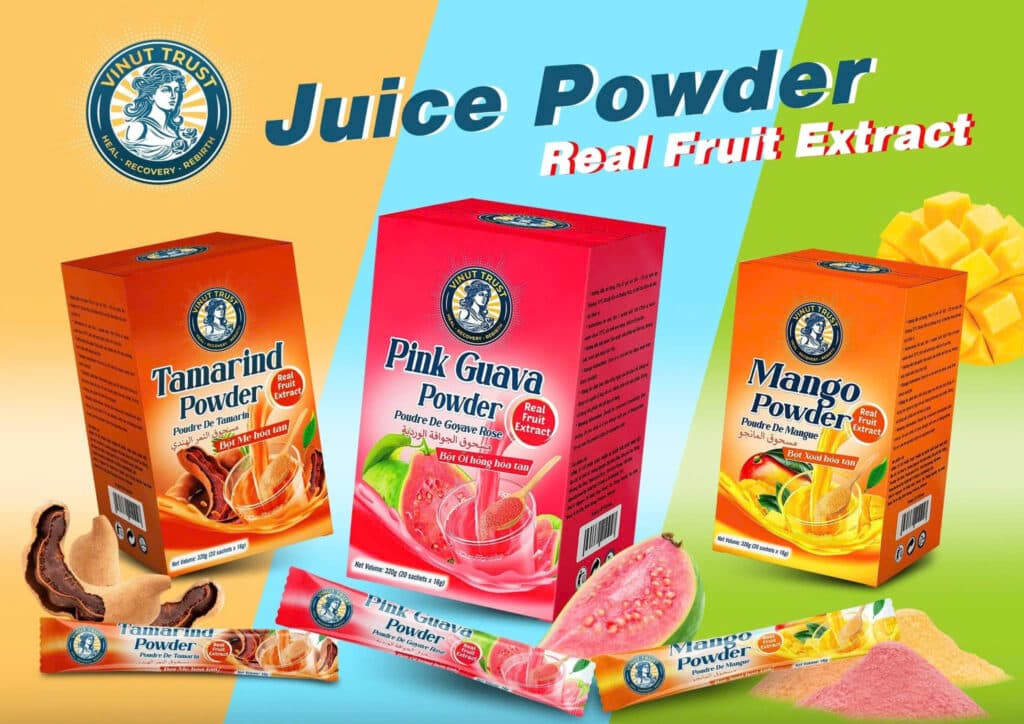
Fruit Powder – The New Trend in Convenient and Healthy Food
Discover why fruit powder is taking over global healthy beverage trends. Learn how Vinut Trust fruit powder offers a natural, convenient solution packed with nutrients. Ideal for modern lifestyles!
Read Story
How to Evaluate a Fruit Juice Contract Manufacturer: A Buyer's Checklist
A practical fruit juice co-packer evaluation guide covering juice type, processing scope, food safety records, export labels, traceability and commercial evidence.
Read Story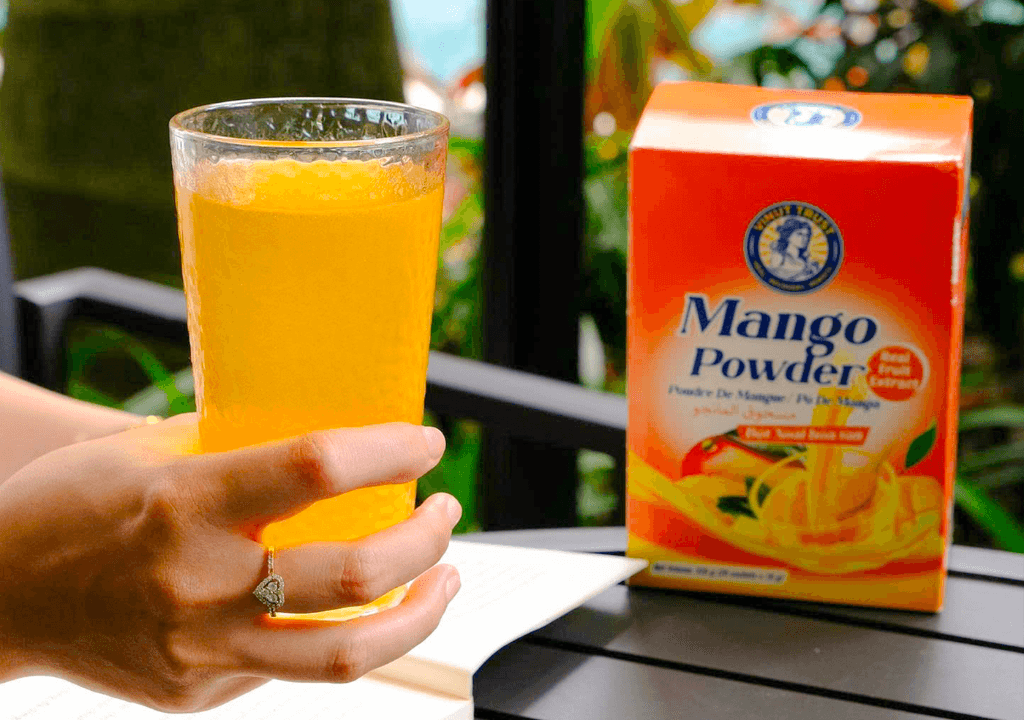
VINUT TRUST Mango Powder: Ways to Enjoy Tropical Flavour
Explore practical ways to prepare VINUT TRUST Mango Powder for drinks and desserts, with simple flavour tips and a useful guide to reading the product label.
Read Story