
Quick answer
Understand possible dehydration signs while fasting, when to seek medical help and practical ways to reduce risk between iftar and suhoor.
Understand possible dehydration signs while fasting, when to seek medical help and practical ways to reduce risk between iftar and suhoor.
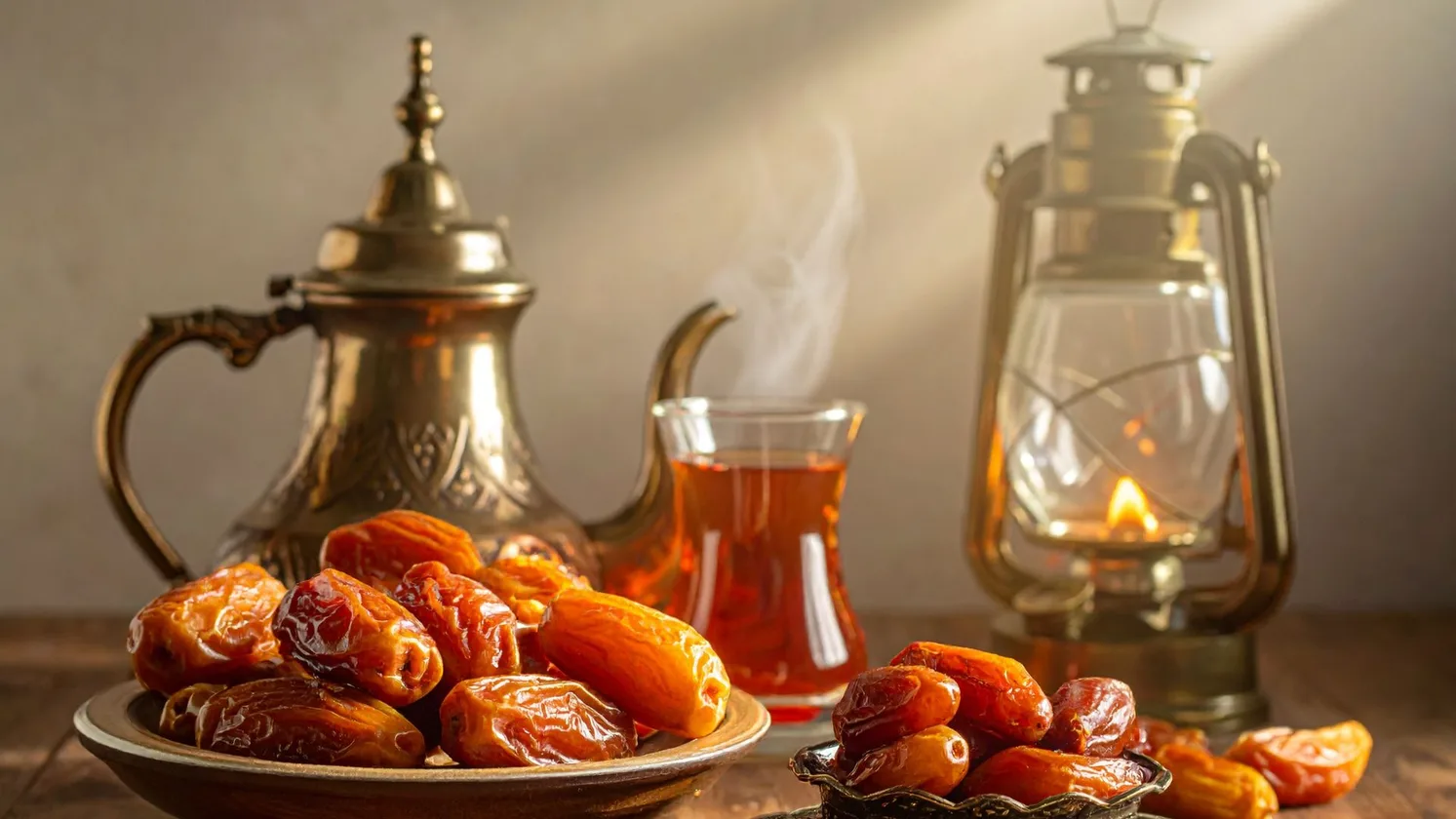
Understand possible dehydration signs while fasting, when to seek medical help and practical ways to reduce risk between iftar and suhoor.
Thirst can be noticeable during a Ramadan fast, particularly in hot weather or after physical activity. Dehydration, however, is more than feeling thirsty. It occurs when the body loses more fluid than it takes in, and serious symptoms can require urgent medical attention. A flavoured drink or a late-evening glass of water should never be presented as a treatment for dangerous dehydration.
This guide helps readers distinguish everyday prevention from warning signs that need attention. It is not a personalised medical plan or a ranking of the best drinks for iftar. If you feel unwell while fasting, health and safety take priority over waiting until the planned time to drink.

The UK National Health Service's dehydration guidance describes thirst, dry mouth, tiredness, headache, dizziness, reduced urination and dark yellow urine among possible symptoms. These signs have other possible causes too, so they should not be used to diagnose dehydration on their own.
Pay attention to changes from what is normal for you. A mild headache after an unusually long day, for example, could have several explanations. A person who feels increasingly dizzy, unusually weak or confused should not dismiss those changes as an expected part of fasting.
The Saudi Ministry of Health's Ramadan advice also identifies heat, activity, illness and particular medicines as factors that can increase fluid loss. Conditions differ by location and individual, so the same fasting day may feel different for different people.
A short decision guide is more useful than treating every symptom with a sweet beverage.
| What you notice | Why it matters | Safer next step |
|---|---|---|
| Thirst, dry mouth or a mild headache | These can occur with inadequate fluids, but are not diagnostic on their own | Review fluid intake and how you feel. Drink at permitted times if well. Seek advice if symptoms persist or worsen |
| Dizziness when standing that does not settle, unusually low urination or a racing heartbeat | These may indicate a more significant problem | Seek prompt medical assessment. Do not continue fasting without drinking if you feel seriously unwell |
| Confusion, fainting, difficulty breathing or being unusually hard to wake | These are potential emergency warning signs | Seek emergency medical care immediately. Do not delay for iftar or rely on a commercial drink |
The urgency categories above summarise the NHS advice on dehydration. A person who is unconscious, very confused or unable to swallow safely needs emergency assistance, not a drink forced into their mouth. Follow professional emergency guidance.
If vomiting or diarrhoea has caused fluid and salt losses, a pharmacist or clinician may recommend an oral rehydration solution. The NHS distinguishes these specially formulated solutions from ordinary beverages. A fruit-flavoured drink powder, coconut jelly topping or energy drink is not automatically an oral rehydration solution.
Some people need individual guidance before fasting. The Saudi Ministry of Health lists older adults, people with diabetes or kidney conditions, pregnant or breastfeeding people and those taking medicines that increase urination among groups who may be more vulnerable to dehydration.
For anyone managing diabetes, the issue may extend beyond thirst. The Diabetes UK Ramadan guide recommends discussing fasting with the diabetes team in advance, including medicines, blood-glucose risks and when it may be unsafe to fast. Neither a fruit drink nor dates should be advertised as a universal response to suspected low blood sugar.
People advised to restrict fluid intake, such as for some heart or kidney conditions, should not follow a generic number of glasses from a blog. They need a plan appropriate to their condition and medicines. Likewise, an adolescent or someone unwell should seek informed support instead of treating this consumer article as clinical clearance to fast.

For people who can fast safely and do not have personalised fluid restrictions, the central habit is to make regular opportunities to drink between iftar and suhoor. The British Nutrition Foundation's Ramadan guidance recommends fluids after sunset, fluid-rich foods and a balanced pre-dawn meal.
A simple prevention check can help:
There is no single glass count that is a correct prescription for every person, climate and medical situation. If a healthcare professional has provided a specific plan, follow that instead.


The NHS guide to water, drinks and hydration explains that beverages other than water, including tea and coffee, can contribute to daily fluid intake. But it still identifies plain water as a straightforward healthy choice. Caffeine tolerance, sugar content and individual health needs matter.
A fruit-flavoured instant drink may be enjoyable with an evening meal, but do not assume it prevents dehydration, corrects an electrolyte disorder or offers the same nutrients as whole fruit. Read the label for the actual ingredients and sugars. The same care applies to a cereal drink, whose nutrition and allergen information depend on its formulation.
VINUT TRUST's Fruit Powders and Cereal Drinks collections can introduce flavours and formats, not medical treatments. They are optional food and beverage choices, never substitutes for water when needed or appropriate professional care.
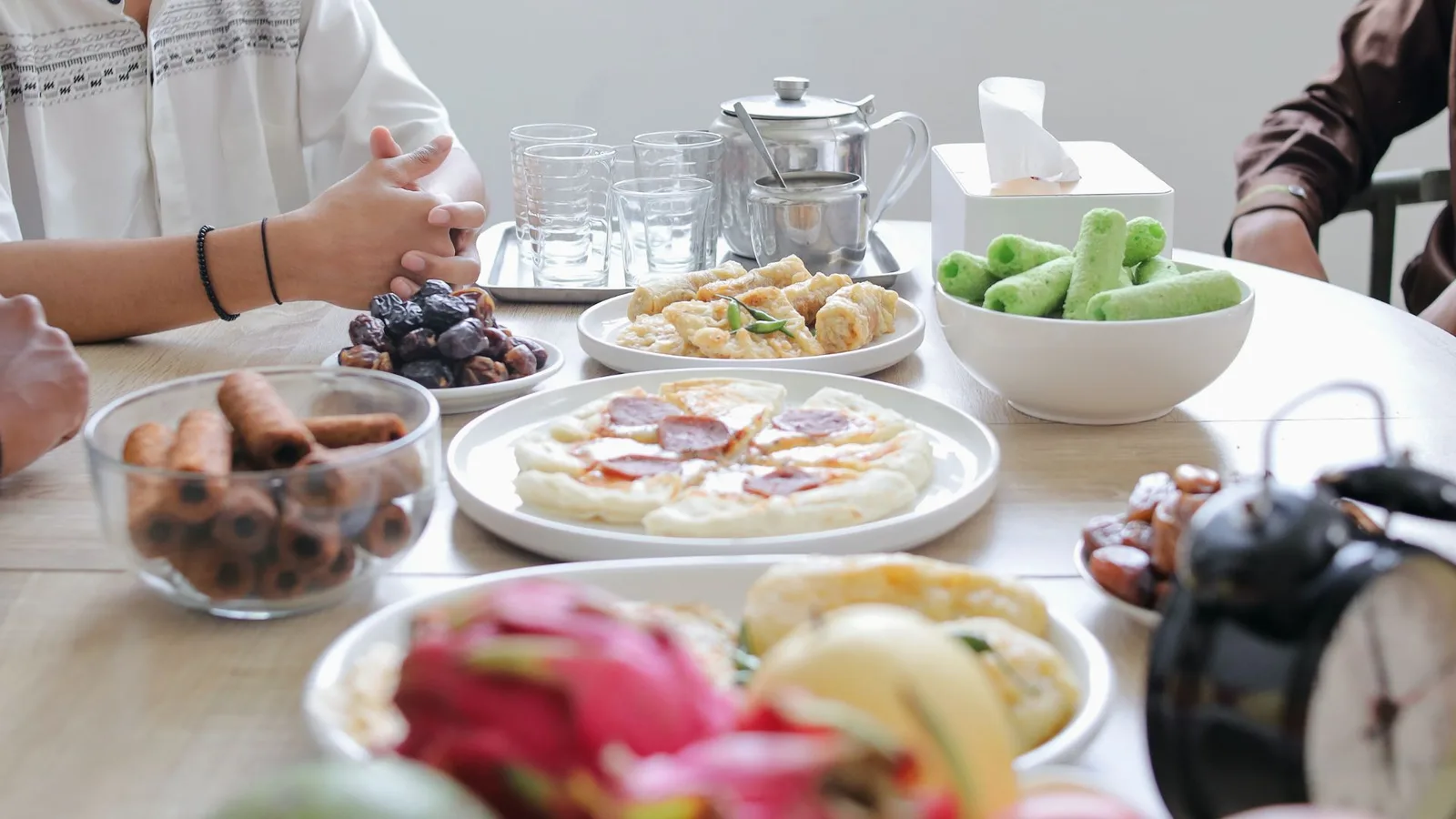
Consider three questions before dawn. Do I feel well now? Do I have access to water and suitable foods during non-fasting hours? Do I have a condition, medicine or recent illness that requires medical advice? If the last answer is yes, do not guess at a safe fasting or fluid plan.
Ramadan is observed in many climates and traditions. Respecting that variety means avoiding an inflexible rule for every household. Knowing when thirst deserves attention is more useful than promising that a single beverage can help everyone “recover”.
The takeaway: For routine prevention, make time for fluids and balanced meals between iftar and suhoor, according to your health needs. For persistent dizziness, confusion, fainting or other serious symptoms, seek appropriate care without delay. No branded beverage replaces a medical assessment.
QUESTIONS & ANSWERS
Thirst, a dry mouth, tiredness, headache, dizziness, darker urine and urinating less than usual can be signs, although they are not diagnostic by themselves. Seek advice if symptoms persist or worsen.
Persistent dizziness on standing, unusually little urine or a fast heart rate may require urgent medical assessment. Confusion, fainting, breathing difficulty or unusual unresponsiveness require emergency care.
No. A flavoured mix can be a beverage choice, but it is not necessarily equivalent to water for everyday needs or to a specially formulated oral rehydration solution for illness-related fluid and salt losses.
They should obtain individual advice before fasting. Medication, glucose risk and fluid restrictions can change what is safe, and a general article cannot replace their healthcare team's plan.