
Pink Guava vs White Guava: Flavor, Color and Nutrition Explained
Pink or white guava? Compare flavor, flesh color and the limits of nutrition claims, with research-backed tips for choosing fruit or packaged products.
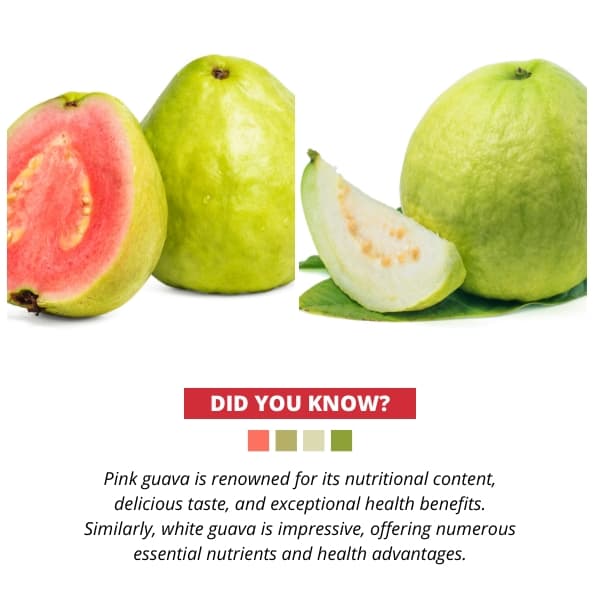
Pink and white guava are two familiar ways to enjoy the same tropical fruit. The most obvious difference is the flesh color, but texture, aroma and ripeness can also shape the experience. Neither color is automatically healthier. Nutrient composition varies by cultivar, growing conditions and maturity, so a color comparison should not become a medical recommendation.

Pink Guava & White Guava
Pink guava and white guava at a glance
What to notice | Pink-fleshed guava | White-fleshed guava |
|---|---|---|
Flesh | Pink to reddish, depending on variety and ripeness | White to pale cream |
Flavor | May be aromatic, sweet and mildly tart | May taste delicate, sweet or more tart |
Texture | Can be tender or juicy when ripe | Can be crisp or tender depending on cultivar and ripeness |
Color compounds | Pink flesh can contain lycopene and other carotenoids | Different pigment profile; do not assume a fixed nutrient ranking |
Good uses | Fresh slices, fruit bowls, blended drinks | Fresh slices, fruit salads, drinks and snacks |
These are broad sensory cues, not specifications for every guava sold under a color name. A ripe white guava may be softer than an unripe pink one. Variety and handling usually tell you more about the eating experience than color alone.
Why is one guava pink and another white?
Fruit-flesh color is associated with pigments. In a 2017 study of the pink guava cultivar 'Criolla', researchers identified several carotenoids and found lycopene was an important contributor to the fruit's pigment profile. The work describes the chemistry of a particular cultivar and ripening stages. It does not establish that every pink guava has the same lycopene content, or that eating pink guava prevents illness.
Source: Carotenoid profile of pink guava during ripening, Journal of Agricultural and Food Chemistry (2017).
What do nutrition studies actually show?
Guava is a fruit that can contribute vitamin C and dietary fiber to a varied diet. However, a nutritional database entry for common raw guava is not a fair head-to-head comparison of every pink and white cultivar. Nor can the nutrition of fresh guava simply be copied onto a bottled drink or fruit powder.
A 2025 study compared five guava cultivars harvested in one region of Korea. The red-fleshed 'Redlee' cultivar had the highest measured vitamin C content among those five samples. Other red- and white-fleshed cultivars differed as well. These findings do not establish that either guava color always contains more vitamin C. The results describe particular cultivars and a single harvest season, not every guava available worldwide.
Source: Choi and Shin, Foods (2025), full open-access study.
Looking at pink guava

Nutritional Value of Pink Guava
Pink guava can contain red-orange carotenoids, including lycopene. These compounds are studied for their biological properties, but laboratory antioxidant measurements do not prove that a serving of fruit treats disease. A stronger claim, such as preventing cancer or protecting the heart, needs human clinical evidence that cannot be inferred from flesh color.
The U.S. National Cancer Institute explains that findings on lycopene and prostate cancer have been mixed, and there is not enough evidence to conclude that lycopene prevents or treats prostate cancer. This is one reason to describe pink guava in terms of its flavor, appearance and food composition rather than promise disease prevention.
Source: National Cancer Institute: Prostate Cancer, Nutrition, and Dietary Supplements.
Looking at white guava

Nutritional Value of White Guava
White guava is another enjoyable fruit option. Some varieties have a firmer bite or a less pronounced floral aroma, but neither texture nor pale color proves that a particular fruit has more fiber or vitamin C. A ripe fruit's taste also changes with harvesting stage and storage.
For both colors, fresh fruit may contribute nutrients as part of a balanced eating pattern. The research does not justify assigning separate medical benefits to each color.
Which guava should you choose?
Start with the experience you want. For a fruit salad that needs bright contrast, pink guava offers appealing color. If you prefer a lighter-looking fruit or a firmer bite, sample a white variety. The best choice is the fruit whose flavor and ripeness suit the dish, rather than a headline promising immunity, cancer prevention or anti-aging effects.
For fresh guava, look for intact fruit without obvious mold or severe damage. Wash before cutting and use appropriate food-storage practices. If fruit feels unusually soft or develops an off odor, do not rely on color to judge its condition.
For a smoothie, either color may work. Ripeness, seeds, straining and additional ingredients will shape the final texture and sweetness. Avoid promising that a particular guava automatically makes a smoothie 'low sugar' or medicinal.
What changes when guava becomes a drink or powder?
A packaged guava beverage and a fresh guava are not nutritionally interchangeable by default. Juice content, added sweeteners, serving size, processing and other ingredients can change the final product.
If you are considering a packaged guava drink or powder, check the actual ingredient list and nutrition panel rather than borrowing figures from fresh-fruit research. The U.S. FDA distinguishes total sugars from added sugars on its Nutrition Facts label and advises readers to check the serving size before comparing products.
Sources: FDA: Added Sugars on the Nutrition Facts Label and FDA: Serving Size.
For a separate discussion of processing and powder ingredients, see VINUT TRUST's pink guava powder article and browse the current fruit powder collection. These links are for product exploration, not proof of a nutrient or health claim.
The bottom line
Pink and white guava are both worth exploring for their taste and versatility. Pink flesh can reflect a different carotenoid profile, but color alone does not predict the vitamin C content of every variety, nor establish disease-prevention effects. Enjoy whichever fruit you prefer, compare actual labels when buying prepared products, and treat medical-sounding claims with appropriate skepticism.
QUESTIONS & ANSWERS
Frequently asked questions
What is the main difference between pink and white guava?
The most visible difference is the flesh color. Flavor, ripeness and texture may also differ, but those traits depend on cultivar and handling rather than color alone.
Does white guava always contain more vitamin C?
No. Research across guava cultivars shows meaningful variation in vitamin C. Color is not a reliable shortcut for ranking nutrient content in every variety.
Can eating pink guava prevent cancer?
No such claim has been established. Pink guava can contain lycopene, but the U.S. National Cancer Institute says evidence is insufficient to conclude lycopene prevents or treats prostate cancer.
Is guava powder nutritionally the same as fresh guava?
Not automatically. Processing, formulation and serving size differ. Compare the actual ingredient list and nutrition label instead of applying fresh-fruit data to a prepared product.
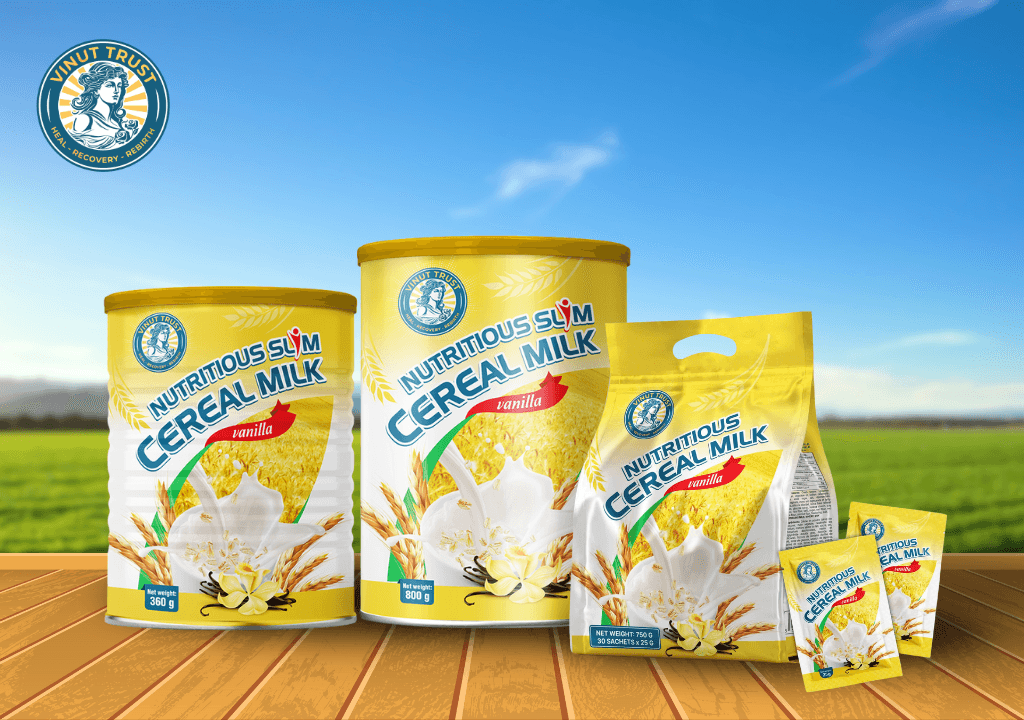
Cereal Milk Drinks: Seven Facts About Nutrition and Everyday Use
Explore seven practical things to check when choosing cereal milk, from the grain ingredients and protein to added sugar, allergens and serving directions.
Read Story
Discover the Secrets of Homemade Guava Juice
Guava juice rich in vitamins, minerals, and antioxidants, serves as an energy source for health enthusiasts and casual drinkers alike.
Read Story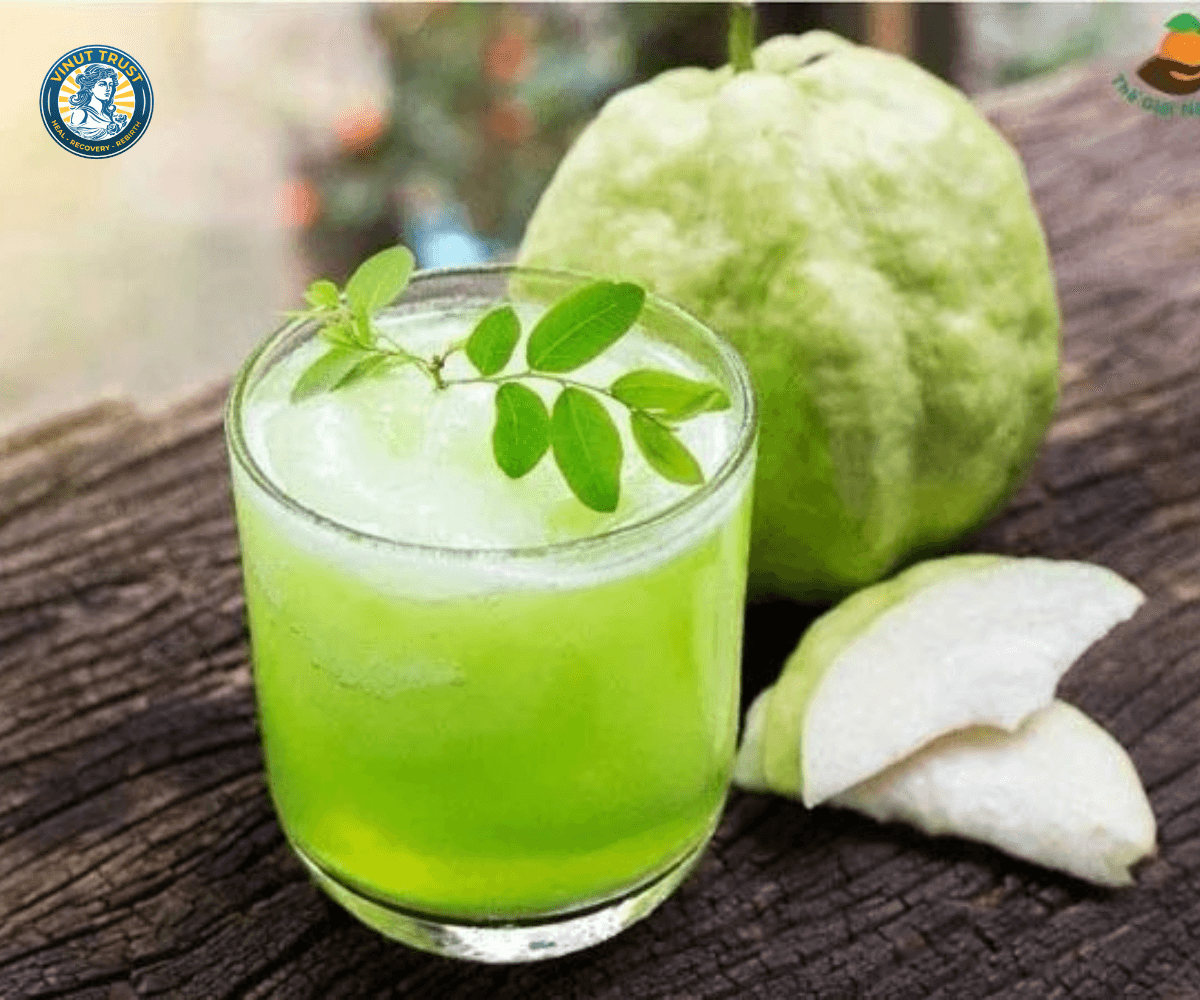
Is Drinking Guava Powder Good for You?
Guava powder is made by dehydrating guava fruit, which retains most of the fruit’s nutrients and flavor. Guavas are tropical fruits known for their sweet
Read Story